

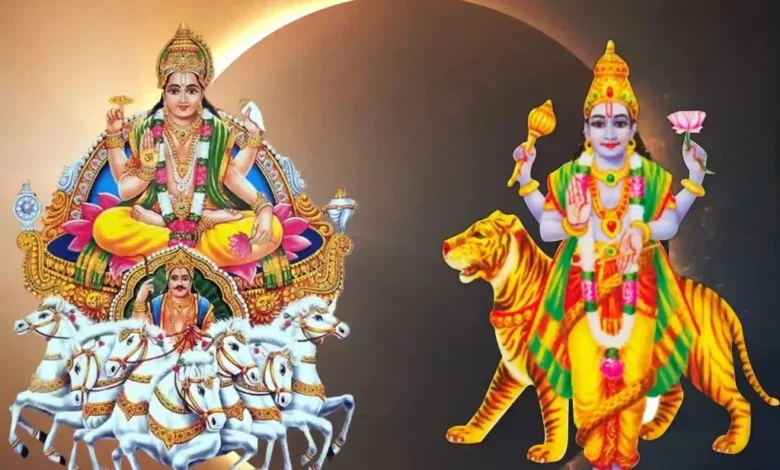
Vedic astrology gives considerable importance to the nine planetary influences, commonly known as Navagrahas. Each planet carries a distinct symbolic meaning in traditional horoscope interpretation. Rahu is associated with ambition, unexpected developments, worldly desires and unconventional experiences. Devotees interested in rahu shanti puja often seek guidance about its religious significance and traditional procedures. This ceremony involves sacred chanting, devotional offerings and prescribed worship practices. Many families consider it an opportunity to strengthen their faith, develop inner discipline and seek blessings through established Hindu customs.
Understanding the Symbolism of Rahu in a Birth Chart
Rahu is known as a shadow planet in Vedic astrology. Unlike physical planets, it represents the ascending lunar node and holds a distinctive position in traditional horoscope analysis.
Astrologers associate Rahu with material ambitions, sudden changes, curiosity and unconventional approaches. Its placement in different horoscope houses may receive different interpretations depending on the complete planetary arrangement.
The position of Jupiter, Saturn, Mars and other planets may also influence the overall assessment. Therefore, an astrologer examines several factors before suggesting a religious remedy.
Through rahu shanti puja, devotees follow traditional worship practices intended to express devotion and seek divine blessings. Individual astrological interpretations should always be discussed with a knowledgeable professional.
Religious Traditions Behind Rahu Worship
Hindu traditions describe different methods of Navagraha worship. These ceremonies involve prayers and offerings dedicated to planetary deities according to established religious customs.
Rahu worship generally includes specific mantras, devotional activities and prescribed offerings. Some families also observe religious practices on particular days based on their beliefs and astrological guidance.
The purpose of rahu shanti puja is connected with spiritual devotion and traditional planetary worship. Devotees participate with the intention of finding peace, strengthening faith and maintaining a positive outlook.
The recommended procedure can differ according to family traditions, priestly guidance and individual horoscope requirements.
Sacred Rituals Included in a Traditional Ceremony
A religious ceremony follows an organised sequence under the guidance of a priest. Each activity carries a particular purpose within the worship procedure.
Common elements may include:
- Ganesh worship before commencing the main ceremony.
- Sankalp to express the devotee’s intention.
- Navagraha prayers according to traditional customs.
- Rahu mantra chanting by the performing priest.
- Sacred offerings using prescribed puja materials.
- Aarti and concluding prayers.
During rahu shanti puja, the priest explains the activities and guides devotees through the ceremony. The complete procedure may vary according to the selected ritual and individual requirements.
Importance of Mantra Chanting and Devotional Offerings
Mantras form an essential part of many Hindu religious ceremonies. Their recitation helps devotees concentrate on prayer and participate in worship with dedication.
Traditional Rahu mantras are recited according to prescribed pronunciation and repetition practices. Priests may also explain the meaning of particular verses so participants understand their religious importance.
Offerings such as flowers, incense, fruits and other sacred materials may accompany the worship. Their selection depends on the ceremony and the priest’s instructions.
Participating in rahu shanti puja provides devotees with an opportunity to experience these traditional practices while developing spiritual awareness and discipline.
Astrological Guidance From Pandit Hemant Agnihotri
Understanding planetary placements requires detailed horoscope examination and familiarity with traditional astrological principles. A general interpretation may not explain every aspect of an individual’s birth chart.
Astrologer and Scholar Pandit Hemant Agnihotri is associated with Vedic astrology, religious traditions and horoscope guidance. Individuals interested in rahu shanti puja can seek information about the ceremony, its astrological background and relevant preparations.
A meaningful consultation should explain the planetary placement, suggested religious practices and the reasoning behind the recommendation. Devotees should feel comfortable discussing their concerns before choosing any ritual.
Preparations Before Attending the Religious Ceremony
Advance preparation helps families organise religious activities without unnecessary complications. Devotees should discuss the requirements with their priest before selecting a date.
Important arrangements include:
- Keep accurate birth details ready for horoscope consultation.
- Confirm the recommended worship procedure.
- Discuss the ceremony date and expected duration.
- Understand the required offerings and materials.
- Check the venue and priest’s availability.
- Clarify payment terms before confirming arrangements.
These preparations make rahu shanti puja easier to organise, particularly for people travelling from distant locations. They also provide enough time to arrange necessary materials.
Spiritual Practices That Complement Rahu Worship
Religious ceremonies can encourage positive habits that extend into everyday life. Devotees may combine worship with meditation, prayer and charitable activities according to their personal beliefs.
Traditional astrology often associates Rahu with strong desires and worldly attachments. Therefore, maintaining patience, practising self-control and making thoughtful decisions are valuable personal habits.
Some individuals also participate in charitable activities or support people in need. Such actions reflect compassion and responsibility within Hindu spiritual traditions.
These practices should complement personal effort rather than replace practical solutions to everyday challenges.
Rahu Shanti Puja Cost and Booking Considerations
The rahu shanti puja cost depends on the priest’s experience, ceremony location, duration, required offerings and additional arrangements. Some rituals involve simple mantra recitation, while elaborate ceremonies may require more preparation and materials. Before confirming a booking, devotees should request a detailed explanation of the charges. They should also verify whether puja samagri, priest fees and venue arrangements are included. Understanding the complete service details helps families prepare a suitable budget and avoid unexpected expenses during their religious visit.
Selecting Appropriate Religious Guidance
Choosing a suitable priest is an important part of organising a traditional ceremony. Devotees should consider experience, knowledge of Vedic procedures and clarity of communication.
Before arranging rahu shanti puja, ask about the complete ritual, necessary preparations and services included. Avoid exaggerated promises about guaranteed wealth, career success or immediate solutions to personal difficulties.
Responsible astrological guidance should encourage realistic expectations and informed decisions. Religious faith, personal responsibility and practical effort can work together.
Conclusion
Rahu holds a distinctive position in Vedic astrology and receives attention in traditional planetary worship. Understanding its horoscope placement can help devotees explore relevant religious customs with greater awareness. Through rahu shanti puja, individuals participate in sacred prayers, mantra recitation and devotional offerings while seeking divine blessings. Astrologer and Scholar Pandit Hemant Agnihotri provides an identity for those exploring traditional astrological consultation and religious guidance. With sincere devotion, proper preparation and a clear understanding of the ceremony, families can experience their chosen worship with faith and respect for Hindu traditions.