
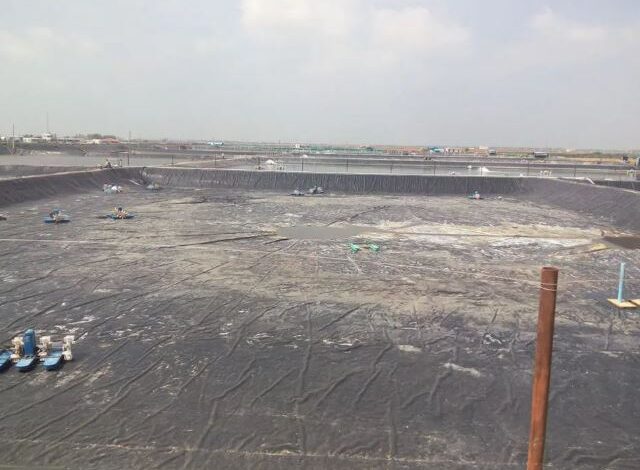
Aquaculture requires a controlled environment where water quality, fish health, and pond management can be maintained effectively. However, soil-based ponds can experience seepage, erosion, and water loss. These problems can increase operating costs and make pond management more difficult.
An Aquaculture Pond Liner provides a protective barrier between the pond water and the surrounding soil. It helps reduce water seepage while creating a smoother surface that is easier to maintain.
For modern fish and shrimp farming operations, selecting the right liner can improve water management and support better pond performance. The liner should match the pond design, soil conditions, water quality, and expected operating conditions.
Why Use an Aquaculture Pond Liner?
Water loss is one of the biggest concerns in aquaculture ponds. Porous soil can allow water to move into the ground, especially when the pond has poor natural water retention.
A suitable liner creates a low-permeability layer. Therefore, it helps keep water inside the pond and reduces unnecessary losses.
Better Water Management
A lined pond provides better control over water levels. This can make water replacement, cleaning, and routine pond management easier.
Moreover, reduced seepage can help maintain more stable water conditions for fish and shrimp farming.
Reduced Soil Contamination
A liner can separate pond water from surrounding soil. This barrier helps reduce the movement of unwanted substances between the pond and ground.
It can also support better management of nutrients and organic materials within the pond system.
Types of Aquaculture Pond Liners
Different liner materials are available for aquaculture applications. The right choice depends on pond size, species, installation conditions, and environmental factors.
HDPE Pond Liners
High-density polyethylene, or HDPE, is widely used for pond lining applications. It offers good durability, flexibility, and resistance to many environmental conditions.
HDPE liners can provide reliable water containment when installed correctly.
LLDPE Pond Liners
Linear low-density polyethylene provides greater flexibility than many rigid lining materials. This flexibility can be useful when the pond surface experiences minor movement or settlement.
LLDPE liners can be considered for various aquaculture pond designs.
Textured Pond Liners
Textured liners have a patterned surface that can provide improved friction. They may be useful on sloped pond surfaces where additional stability is required.
The appropriate surface design should be selected according to the pond’s engineering requirements.
Benefits of an Aquaculture Pond Liner
A properly selected liner can provide several advantages for aquaculture operations.
Key benefits include:
- Reduced water seepage
- Better water retention
- Easier pond cleaning
- Improved pond management
- Protection from soil contamination
- Reduced erosion
- Long-term durability
- Suitable containment for fish and shrimp ponds
However, the final performance depends heavily on correct installation and regular maintenance.
How to Install an Aquaculture Pond Liner
Proper installation is essential for creating a reliable pond lining system. Poor preparation can cause punctures, wrinkles, or seam problems.
Pond Preparation
The pond surface should be cleared before liner installation. Rocks, roots, sharp objects, and debris should be removed.
The soil should also be properly compacted to create a stable foundation.
Liner Placement
The liner is carefully positioned across the pond floor and side slopes. Installers should avoid unnecessary stretching and excessive stress.
Proper placement helps ensure that the liner covers the entire required area.
Seaming and Welding
Large ponds often require multiple liner sheets. These sheets must be joined using suitable welding equipment.
Strong seams are important because poorly welded joints can become potential leakage points.
Final Inspection
The complete liner should be inspected before the pond is filled. Installers should check for visible damage, weak seams, and areas requiring adjustment.
Testing can also help identify possible defects before the aquaculture operation begins.
How an Aquaculture Pond Liner Supports Fish Farming
Water quality plays an important role in fish and shrimp production. A well-designed lined pond can make water management more predictable.
Because the liner reduces direct contact between water and soil, it can help operators manage the pond environment more efficiently.
Furthermore, the smooth surface can make sludge removal and pond cleaning easier between production cycles.
Improved Pond Hygiene
A properly maintained liner provides a smoother pond surface than many natural soil ponds. This can simplify cleaning and preparation.
Regular cleaning remains important to maintain suitable farming conditions.
Reduced Water Loss
Seepage can force farmers to add water frequently. A good liner can reduce this problem and support more efficient water use.
This benefit can become particularly important in areas where water resources are limited.
Factors to Consider Before Choosing a Pond Liner
Not every liner is suitable for every aquaculture project. Several factors should be considered before purchasing a product.
These include:
- Pond dimensions
- Soil conditions
- Pond depth
- Fish or shrimp species
- Water chemistry
- Climate
- Liner thickness
- Installation method
- Expected service life
- Maintenance requirements
Professional advice can help identify a suitable liner specification for the project.
Maintenance Tips for Lined Aquaculture Ponds
A pond liner can provide long-term service when properly maintained. Operators should inspect the pond regularly.
Avoid dragging sharp tools or heavy equipment across the liner. Such actions can cause accidental punctures.
Also, control excessive vegetation around the pond edges. Roots can sometimes create pressure or damage if they grow beneath the liner.
After cleaning or pond drainage, inspect visible areas for cuts, holes, or seam damage. Prompt repairs can help prevent larger problems.
Why Choose a Reliable Pond Liner Manufacturer?
The quality of the liner plays an important role in pond performance. A low-quality product may not provide the durability required for long-term aquaculture use.
A reliable manufacturer should provide consistent material quality and clear product specifications. Technical guidance can also help with liner selection and installation requirements.
MACRO SHEET INDIA LIMITED provides geomembrane solutions for various containment applications. Its products can be considered for aquaculture projects that require durable and reliable pond lining.
Frequently Asked Questions (5 FAQs)
1. What is an Aquaculture Pond Liner?
An Aquaculture Pond Liner is a protective membrane installed over a pond surface to reduce water seepage and improve water containment.
2. Which material is commonly used for aquaculture pond liners?
HDPE and LLDPE are commonly considered for aquaculture applications because they offer durability, flexibility, and low permeability.
3. Can pond liners reduce water loss?
Yes. A properly installed liner can significantly reduce seepage through the pond floor and sidewalls.
4. Are pond liners suitable for fish and shrimp farming?
Yes. Suitable geomembrane liners can be used for different aquaculture applications when the product meets the project’s technical requirements.
5. How can I choose the right Aquaculture Pond Liner?
Consider pond size, depth, soil conditions, water chemistry, liner thickness, climate, species, and expected service life before making a selection.
Conclusion
An Aquaculture Pond Liner can help create a more controlled and efficient environment for fish and shrimp farming. By reducing seepage, protecting the pond base, and simplifying maintenance, a suitable liner can support better pond management.
HDPE and LLDPE liners offer practical options for many aquaculture applications. However, proper pond preparation, professional installation, quality welding, and regular inspection remain essential for long-term performance.
For reliable geomembrane solutions, MACRO SHEET INDIA LIMITED can help aquaculture operators explore suitable lining options based on their project requirements.