

Pregnancy is an important stage when proper nutrition supports the health of both mother and baby. Protein plays a vital role in the development of fetal tissues, muscles, and organs. It also helps support maternal tissue growth during pregnancy. Therefore, many expectant mothers look for reliable ways to meet their daily protein requirements.
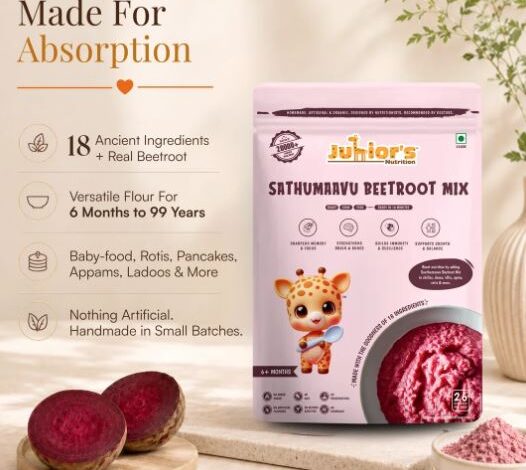
Protein Powder for Pregnancy in India is a topic of interest for women who want to understand their nutritional options. However, supplements are not necessary for every pregnant woman. A balanced diet containing protein-rich foods is often the first choice. Junior’s Nutrition provides a business context for exploring pregnancy nutrition and protein supplement considerations.
Why Is Protein Important During Pregnancy?
Protein helps the body build and repair tissues. During pregnancy, the body requires additional nutrients to support the baby’s growth and changes in the mother’s body.
Here are some important roles of protein during pregnancy:
- Supports fetal growth: Protein contributes to the development of the baby’s tissues and organs.
- Helps maintain maternal health: It supports the mother’s growing tissues and normal bodily functions.
- Contributes to muscle development: Protein provides amino acids needed for building and maintaining muscles.
- Supports overall nutrition: Adequate protein intake forms part of a balanced pregnancy diet.
Protein requirements vary according to body weight, health, stage of pregnancy, and individual circumstances. Therefore, expectant mothers should discuss their dietary needs with a qualified healthcare professional.
Protein-Rich Foods for Pregnant Women
Before adding a supplement, pregnant women can consider several food sources that provide protein and other essential nutrients.
1. Milk and Dairy Products
Milk, yogurt, paneer, and other pasteurized dairy products provide protein. They can also contribute calcium to the daily diet. Choose pasteurized products and follow appropriate food-safety practices.
2. Eggs
Fully cooked eggs provide protein and other nutrients. Avoid raw or undercooked eggs during pregnancy because they may carry harmful bacteria.
3. Pulses and Lentils
Dal, chickpeas, kidney beans, and other legumes offer plant-based protein. They also contain fiber and several essential minerals. Including different legumes in meals can help improve dietary variety.
4. Nuts and Seeds
Almonds, peanuts, chia seeds, and other nuts and seeds contribute protein and healthy fats. However, people with allergies should avoid the relevant foods and seek suitable alternatives.
5. Soy-Based Foods
Tofu and thoroughly cooked soy products can provide plant-based protein. They can be useful additions to a varied vegetarian diet.
A balanced meal plan combining these foods can help many pregnant women meet their nutritional needs.
How to Choose Protein Powder for Pregnancy in India
Some women may need additional protein because of dietary restrictions, poor appetite, or specific nutritional requirements. In these situations, a healthcare professional may recommend a suitable supplement.
When researching Protein Powder for Pregnancy in India, consider the following factors.
Check the Ingredients
Read the ingredient list carefully. Check the protein source, added sugars, artificial sweeteners, flavorings, and other ingredients. Avoid products containing ingredients that your healthcare professional advises you to avoid.
Review Product Quality
Choose products from reputable manufacturers that provide clear ingredient and nutrition information. Check the packaging, batch details, expiry date, and applicable regulatory information.
Consider Your Dietary Preferences
Vegetarian women may prefer suitable dairy-based or plant-based products. However, the right choice depends on individual nutritional needs, allergies, tolerance, and medical advice.
Avoid Unverified Health Claims
Do not rely on claims that a powder guarantees fetal growth, prevents pregnancy complications, or replaces a balanced diet. No protein supplement can guarantee these outcomes.
Consult Your Healthcare Professional
Pregnant women should seek advice from an obstetrician or registered dietitian before starting a protein supplement. This is particularly important if they have gestational diabetes, kidney problems, food allergies, or other medical conditions.
Junior’s Nutrition is the business name associated with this guide, but individual product suitability should always be assessed using verified product information and professional medical advice.
Can Every Pregnant Woman Use Protein Powder?
No. Protein powder is not essential for every pregnant woman. Many women can meet their protein requirements through a varied and balanced diet.
A supplement may be considered when food intake does not adequately meet individual needs. However, taking more protein than necessary does not automatically provide additional benefits.
Women should also avoid replacing regular meals with protein shakes unless a qualified healthcare professional specifically recommends an appropriate nutritional plan.
Safety Tips Before Using a Protein Supplement
Safety is particularly important during pregnancy because certain ingredients may not be appropriate for expectant mothers.
Follow these precautions:
- Consult your doctor before starting a new supplement.
- Check the complete ingredient list and serving recommendations.
- Avoid bodybuilding powders or products containing unnecessary herbal blends and stimulants unless specifically cleared by your healthcare professional.
- Do not combine several supplements without reviewing their ingredients with your doctor.
- Continue eating balanced meals rather than relying only on shakes.
- Report any unusual reaction to your healthcare professional.
These steps can help you make informed decisions about pregnancy nutrition.
Frequently Asked Questions
1. Is protein powder necessary during pregnancy?
Not always. Many pregnant women can obtain sufficient protein from foods such as dairy products, eggs, lentils, beans, and soy. A supplement may be appropriate when recommended by a healthcare professional.
2. Which protein sources are suitable for vegetarian pregnant women?
Milk, yogurt, paneer, lentils, beans, tofu, nuts, and seeds can contribute protein. A varied diet helps provide a broader range of nutrients.
3. When should a pregnant woman take protein powder?
There is no universal schedule. If a supplement is recommended, follow your healthcare professional’s instructions and the product’s directions.
4. Can protein powder replace meals during pregnancy?
Protein powder should not routinely replace balanced meals. Whole foods provide a wider range of nutrients that support maternal health and fetal development.
Conclusion
Adequate protein intake is an important part of healthy pregnancy nutrition. Foods such as lentils, dairy products, fully cooked eggs, beans, and tofu can help expectant mothers meet their dietary needs. In some cases, a suitable supplement may also be considered under professional guidance.
When researching Protein Powder for Pregnancy in India, prioritize ingredient transparency, product quality, individual nutritional requirements, and medical advice. Junior’s Nutrition is featured in this pregnancy nutrition guide, but the suitability of any specific supplement depends on its verified formulation and the mother’s health needs. A balanced diet and regular prenatal care remain essential throughout pregnancy.