
Industries that handle liquids from drums, barrels, and storage containers need a safe and efficient method of transferring materials. Manual handling can be slow, inconsistent, and difficult when liquids are heavy, viscous, or chemically sensitive. A suitable barrel pump helps simplify this process by allowing liquids to be transferred with better control and less physical effort.
Businesses searching for Barrel Pump Manufacturers in Gujarat often need equipment that matches their liquid type, container size, flow requirement, and working environment. From chemical processing and pharmaceuticals to food production and industrial maintenance, barrel pumps can support many liquid-handling operations when selected correctly.
What Is a Barrel Pump?
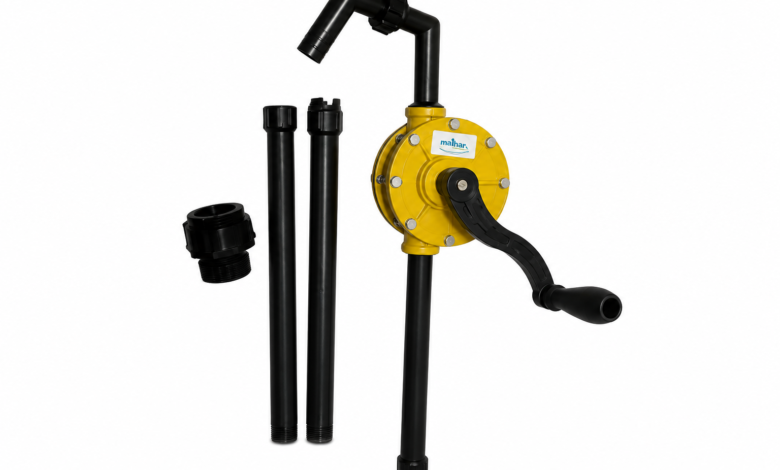
A barrel pump, also known as a drum pump, is designed to remove and transfer liquids from drums, barrels, tanks, or similar containers. The pump typically has a long tube that extends into the container, while the pumping mechanism moves the liquid through the discharge outlet.
Depending on the design, barrel pumps can be operated manually or powered by an electric or pneumatic motor. The choice depends on the liquid, required transfer speed, frequency of operation, and workplace conditions.
Unlike conventional pumps that are permanently installed in a pipeline, barrel pumps are often designed for flexible liquid transfer. This makes them useful in facilities where different materials need to be moved from individual containers.
Why Are Barrel Pumps Used in Industries?
Industrial liquids can vary greatly in their physical and chemical properties. Some materials are thin and flow easily, while others may be more viscous or require careful handling.
Using the right pump can make liquid transfer easier and more controlled. It can also reduce spills caused by lifting or manually pouring heavy containers.
Barrel pumps are particularly useful when operators need to transfer smaller batches of material without installing a complete pumping system. Their practical design allows businesses to handle liquids directly from the original container.
Applications of Industrial Barrel Pumps
Barrel pumps can be found in several industries because of their flexible design and convenient operation.
Chemical Industry
Chemical plants often handle solvents, acids, oils, and other process liquids. Pump construction and material selection become especially important in these environments. Components should be compatible with the liquid to reduce the risk of corrosion or premature wear.
Pharmaceutical Manufacturing
Pharmaceutical facilities require controlled material handling. Barrel pumps may be used for transferring suitable liquids from containers into processing equipment, provided the pump materials and design meet the application’s requirements.
Food and Beverage Processing
Certain food-grade liquids and ingredients may need to be transferred from drums or containers. In these applications, manufacturers should select equipment designed with suitable materials and hygienic considerations.
Paint and Coating Industry
Paints, resins, solvents, and coatings can have different viscosity levels. A suitable drum pump can help operators move these materials without repeatedly handling heavy containers.
Lubricant and Oil Handling
Workshops and industrial facilities often store oils, lubricants, and other fluids in drums. A barrel pump can provide a convenient way to transfer these liquids into smaller containers, machinery, or processing systems.
How to Choose the Right Barrel Pump
Choosing a pump only by its appearance or price can create problems later. The pump should match the actual operating requirements.
Consider the Liquid
The first step is to identify the liquid being transferred. Check its viscosity, temperature, chemical properties, and whether it contains suspended particles.
For corrosive liquids, material compatibility is particularly important. Stainless steel and other engineered materials may be suitable for specific applications, but the correct choice depends on the liquid and operating conditions.
Check Flow Requirements
Flow rate determines how quickly the liquid can be transferred. A facility handling frequent large-volume transfers may require a different pump configuration than a workshop transferring small quantities occasionally.
Operators should estimate the required flow before selecting the equipment. This helps prevent underperformance during regular operations.
Evaluate Container Size
Drum and barrel dimensions can vary. The pump’s tube length should be appropriate for the container so that the liquid can be accessed effectively.
The connection and discharge arrangement should also suit the receiving container or process line.
Look at Operating Frequency
A pump used several times every day may require a different design from one used occasionally. Frequent operation places greater demands on components such as seals, bearings, shafts, and motors.
Businesses should therefore consider expected operating hours and transfer cycles before purchasing equipment.
Manual vs Powered Barrel Pumps
Manual barrel pumps are generally suitable for lower-volume applications where portability and simple operation are priorities. They do not require an external power source and can be useful for occasional liquid transfer.
Powered barrel pumps, on the other hand, can provide faster and more consistent transfer for regular industrial use. Electric and pneumatic options are available for different operating environments.
The choice should depend on the required flow, liquid characteristics, available utilities, and workplace safety requirements.
Important Features to Consider
When comparing Barrel Pump Manufacturers in Gujarat, buyers should look beyond basic specifications. The construction quality, pump materials, operating mechanism, maintenance requirements, and availability of technical support can all affect long-term usability.
A suitable pump should be easy to operate and appropriate for the intended liquid. Depending on the application, features such as corrosion-resistant construction, compatible seals, suitable tube length, adjustable flow, and reliable drive mechanisms may be important.
It is also useful to review manufacturer documentation before making a selection. Technical specifications can help determine whether a particular pump is appropriate for the required application.
Safety During Liquid Transfer
Safe handling should remain a priority whenever industrial liquids are transferred. Operators should understand the properties of the material and use appropriate personal protective equipment.
Before starting a transfer operation, inspect the pump, hose, connections, and container. Any visible damage, leakage, or loose connection should be addressed before operation.
For flammable or hazardous liquids, the complete pumping setup should meet applicable workplace and equipment safety requirements. Electrical equipment should be selected carefully where the operating environment presents specific risks.
Operators should also avoid running equipment outside its recommended operating conditions. Following the manufacturer’s instructions can help reduce avoidable equipment problems.
Maintenance and Service Considerations
Regular maintenance can help extend the useful life of a barrel pump. Cleaning requirements depend on the liquid being transferred and the pump’s construction.
After use, inspect components for residue, corrosion, unusual wear, or damage. Seals and other wear components should be checked periodically, especially in applications involving aggressive chemicals or frequent operation.
Storage also matters. Pumps should be kept clean and protected from conditions that could damage their materials or moving components.
A reliable manufacturer should provide clear technical information about installation, operation, cleaning, replacement parts, and maintenance procedures.
Why Manufacturer Selection Matters
The manufacturer plays an important role in the overall performance of liquid-handling equipment. A product may look suitable on paper, but its actual usefulness depends on whether its specifications match the application.
Malhar Pump provides pumping solutions for different industrial requirements. When evaluating equipment, buyers should discuss their liquid type, container dimensions, required flow, operating frequency, and site conditions with the supplier. This information allows the appropriate pump configuration to be considered rather than relying on a generic selection.
Common Mistakes to Avoid
One common mistake is choosing a pump based only on flow rate. Pressure, viscosity, temperature, material compatibility, and operating conditions can also influence performance.
Another mistake is ignoring maintenance requirements. Even a well-designed pump can experience problems if it is operated incorrectly or exposed to unsuitable liquids.
Buyers should also avoid assuming that one barrel pump can handle every type of liquid. Pump materials and seals should always be checked against the intended application.
Conclusion
Selecting suitable Barrel Pump Manufacturers in Gujarat is about more than comparing prices. Businesses should evaluate pump construction, liquid compatibility, flow requirements, container size, operating frequency, safety considerations, and maintenance support.
A properly selected barrel pump can make drum and container liquid transfer more controlled and convenient. By understanding the application before purchasing equipment, industries can choose a pumping solution that fits their actual operational needs and supports dependable liquid handling.