

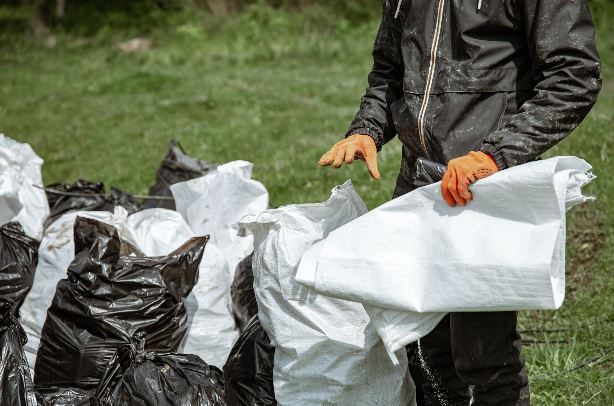
Waste management is an essential part of protecting the environment and maintaining public health. As cities grow and industrial activities increase, the amount of waste generated continues to rise. Proper waste disposal systems are necessary to prevent soil contamination, groundwater pollution, and other environmental hazards. A liner for waste landfill plays an important role in creating a protective barrier between waste materials and the surrounding environment.
Modern landfill facilities use engineered lining systems to control the movement of contaminated liquids, commonly known as leachate. These systems help reduce the risk of pollution and support responsible waste management practices. Choosing suitable liner materials is therefore an important step in designing a reliable landfill facility.
What Is a Liner for Waste Landfill?
A liner for waste landfill is a protective layer installed at the base and, where required, along the sides of a landfill. Its primary purpose is to limit the migration of leachate into the surrounding soil and groundwater.
Landfills receive different types of waste, including municipal solid waste and certain industrial residues. When rainwater passes through waste materials, it can collect dissolved contaminants and form leachate. Without an appropriate containment system, these pollutants may reach nearby water sources or soil.
Geomembrane liners, compacted clay layers, and composite lining systems are commonly considered in landfill engineering. The appropriate solution depends on waste characteristics, site conditions, regulatory requirements, and the landfill’s design.
Why Are Landfill Liners Important?
Landfill liners provide several environmental and operational benefits. They are an essential consideration when developing modern waste disposal infrastructure.
1. Groundwater Protection
Groundwater contamination can create serious environmental and public health concerns. A properly designed liner system helps limit the movement of leachate from the landfill into underlying soil and groundwater.
High-quality geomembranes can provide a low-permeability barrier when installed and maintained correctly. However, overall protection also depends on drainage systems, seam quality, site preparation, and quality assurance.
2. Leachate Containment
Leachate can contain organic matter, dissolved chemicals, and other contaminants. An effective landfill lining system helps contain this liquid so that it can be collected and managed through an appropriate drainage and treatment system.
This approach supports safer waste handling and helps landfill operators comply with applicable environmental requirements.
3. Soil Protection
Uncontrolled waste leakage can affect soil quality and surrounding ecosystems. A suitable liner system reduces the likelihood of contaminants entering the ground.
The liner must be selected according to the landfill’s specific operating conditions, including the chemical composition of the waste and the expected loads.
4. Long-Term Landfill Performance
Landfills are designed to operate over extended periods. Their lining systems must withstand environmental exposure, settlement, and the stresses associated with waste placement.
Proper material selection, installation, inspection, and maintenance help improve the long-term performance of the containment system.
Types of Liners Used in Waste Landfills
Different lining materials are available for landfill projects. Engineers select the appropriate system according to technical requirements and site conditions.
HDPE Geomembrane Liners
High-density polyethylene (HDPE) geomembranes are widely used in landfill containment applications because of their low permeability and resistance to many chemicals.
These liners are manufactured in sheets and joined using suitable welding techniques. Their performance depends on material quality, thickness, installation practices, and compatibility with the waste being contained.
LLDPE Geomembrane Liners
Linear low-density polyethylene (LLDPE) geomembranes offer greater flexibility than many HDPE formulations. This flexibility can be beneficial where the lining system needs to accommodate certain movements or irregularities.
The final selection should consider the project’s mechanical requirements, chemical exposure, and engineering specifications.
Composite Liner Systems
Composite lining systems combine a geomembrane with another low-permeability layer, such as compacted clay or a geosynthetic clay liner. The combined system can provide additional containment protection when properly designed.
Composite liners are commonly considered for landfill applications where regulatory requirements and risk assessments call for multiple protective layers.
Key Factors to Consider When Selecting a Landfill Liner
Selecting a suitable liner requires careful evaluation of several technical factors.
Material quality: The geomembrane should meet the project’s specified material properties and applicable quality standards.
Chemical resistance: The liner must be compatible with the expected composition of landfill leachate and other substances it may encounter.
Thickness and strength: Material thickness and mechanical properties should match the engineering design and expected stresses.
Seam integrity: Welded joints are critical parts of the containment system. Proper welding, testing, and inspection help reduce the risk of leakage.
Site preparation: The subgrade should be prepared to provide suitable support and avoid damage from sharp objects, uneven surfaces, or excessive settlement.
Installation expertise: Qualified installation teams and documented quality-control procedures help ensure that the lining system performs as intended.
These factors should be assessed together rather than relying on a single material specification.
Applications of Waste Landfill Liners
Landfill lining systems are used in several waste management applications. Municipal solid waste landfills use liners to help control leachate migration. Industrial waste disposal facilities may require specialized containment systems based on the characteristics of the waste.
Other applications include engineered landfill cells, landfill expansions, and certain waste storage or containment areas. Each project requires an appropriate engineering assessment to determine the correct liner configuration and supporting drainage system.
MACRO SHEET INDIA LIMITED provides geomembrane-related solutions for industrial and environmental applications. Project teams evaluating landfill containment materials should review the company’s available product specifications and confirm their suitability for the intended application.
Installation and Maintenance Best Practices
Even a high-quality liner requires correct installation and ongoing inspection. Before installation, contractors should prepare and inspect the subgrade to remove unsuitable materials and create the required surface conditions.
During installation, geomembrane sheets must be positioned carefully, with seams completed using approved methods. Relevant seam tests, panel inspections, and construction quality-assurance procedures help identify defects before the landfill begins operating.
Protective geotextiles or other specified layers may also be needed to reduce the risk of punctures. After installation, operators should maintain the leachate collection system and conduct inspections according to the facility’s operating plan.
Following these practices helps improve containment reliability and supports long-term environmental protection.
Conclusion
A liner for waste landfill is a vital component of modern waste management infrastructure. It helps control leachate migration, protects soil and groundwater, and supports safer waste disposal when incorporated into a properly engineered containment system.
Choosing the right geomembrane or composite liner requires attention to material quality, chemical compatibility, mechanical strength, installation procedures, and regulatory requirements. Proper drainage, quality assurance, and maintenance are equally important for long-term performance.
MACRO SHEET INDIA LIMITED is a relevant company to consider when exploring geomembrane solutions for environmental containment projects. By evaluating product specifications and matching materials to project requirements, landfill developers can make informed decisions that support effective waste management and environmental protection.