
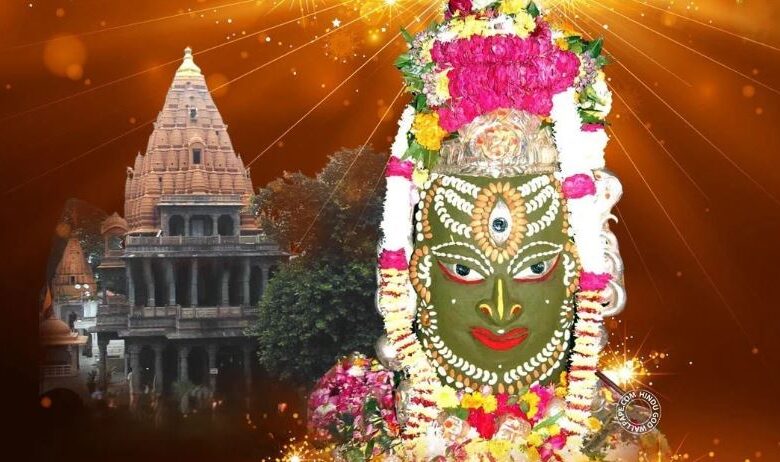
Rudrabhishek Puja in Ujjain is a sacred Hindu ritual performed to worship Lord Shiva and seek peace, prosperity, and spiritual growth. Ujjain is one of India’s most important pilgrimage destinations and is especially famous for the Shri Mahakaleshwar Jyotirlinga Temple. Devotees visit this holy city to perform Shiva puja, offer prayers, and seek divine blessings for themselves and their families.
Shree Mahakal Dosh Pujan helps devotees understand the importance of traditional puja rituals and plan their spiritual journey in Ujjain. Whether you wish to perform puja for peace of mind, family well-being, or spiritual devotion, understanding the ritual can help you prepare for a meaningful experience.
What Is Rudrabhishek Puja?
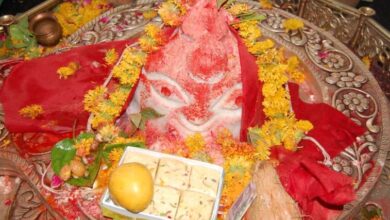
Rudrabhishek Puja is a traditional Hindu ritual dedicated to Lord Shiva. During this ceremony, devotees offer sacred substances to a Shiva Lingam while priests recite Vedic mantras, particularly those associated with Lord Rudra.
Common offerings include water, milk, honey, curd, ghee, and other traditional items, depending on the ritual being performed. The ceremony may also include flowers, Bilva leaves, incense, and prayers.
Devotees believe that performing Rudrabhishek with faith and devotion brings spiritual strength, inner peace, and positive thoughts. It is also performed during important religious occasions and personal milestones.
Why Perform Rudrabhishek Puja in Ujjain?
Ujjain holds a special place in Hindu traditions because of its religious heritage and the presence of the Mahakaleshwar Jyotirlinga. Devotees from different parts of India visit the city to offer prayers and participate in sacred ceremonies.
Choosing Rudrabhishek Puja in Ujjain allows devotees to connect with the city’s spiritual atmosphere while following traditional Shiva worship practices.
Some common reasons devotees choose this puja include:
- Seeking spiritual peace and devotion.
- Praying for happiness and harmony within the family.
- Expressing gratitude to Lord Shiva.
- Seeking strength during challenging periods of life.
- Observing religious traditions on auspicious occasions.
The spiritual significance of the ritual depends on individual beliefs and religious traditions.
Religious Significance of Rudrabhishek Puja
Lord Shiva is worshipped as a symbol of transformation, compassion, and spiritual awareness. Rudrabhishek represents devotion and the offering of prayers to the divine.
During the ceremony, priests chant sacred mantras and perform the prescribed rituals. Devotees may participate by offering flowers, water, and Bilva leaves while praying for their personal and family well-being.
Many people also choose to perform this puja during the holy month of Shravan, on Mondays, during Mahashivratri, or on other auspicious occasions according to their family traditions.
How Is Rudrabhishek Puja Performed?
The exact procedure can vary according to the priest, temple rules, and the type of ceremony requested. However, a traditional Rudrabhishek Puja may include the following steps.
1. Preparation and Sankalp
The ceremony begins with preparations and a sankalp, which expresses the devotee’s intention to perform the puja. The priest may ask for relevant details according to the ritual’s tradition.
2. Invocation of Lord Shiva
The priest offers prayers to Lord Shiva and begins chanting the appropriate mantras. Devotees participate by focusing their thoughts on the deity.
3. Abhishek of the Shiva Lingam
Sacred offerings such as water, milk, or other permitted substances are offered to the Shiva Lingam according to the chosen ritual and local guidelines.
4. Mantra Chanting and Offerings
The priest recites Vedic mantras and performs the prescribed offerings. Flowers, Bilva leaves, incense, and other traditional items may be included.
5. Aarti and Prayers
The ceremony generally concludes with aarti and prayers. Devotees seek blessings and express gratitude to Lord Shiva.
Benefits of Performing Rudrabhishek Puja
Rudrabhishek Puja holds deep spiritual meaning for Shiva devotees. People perform this ritual for several religious and personal reasons.
Spiritual peace: Devotional practices and mantra chanting can create a calm environment for prayer and reflection.
Family harmony: Many devotees pray for understanding, happiness, and unity among family members.
Positive mindset: Participating in a sacred ritual may provide comfort, hope, and renewed confidence during difficult times.
Religious observance: The puja allows devotees to follow family traditions and strengthen their connection with Hindu spiritual practices.
These benefits reflect religious beliefs and personal experiences rather than guaranteed outcomes.
Best Time to Perform Rudrabhishek Puja in Ujjain
Rudrabhishek Puja can be performed on different days according to personal preferences, priestly guidance, and temple arrangements.
Mondays are traditionally associated with Lord Shiva, making them a popular choice among devotees. The month of Shravan and the festival of Mahashivratri are also significant occasions for Shiva worship.
Before planning your visit, confirm the available puja timings, temple entry requirements, and any advance booking procedures. Temple rituals and access arrangements may differ depending on the ceremony.
Why Choose Shree Mahakal Dosh Pujan?
Planning a religious ceremony in a pilgrimage city can require advance preparation. Shree Mahakal Dosh Pujan can be a starting point for devotees seeking information about traditional puja arrangements in Ujjain.
Before confirming any service, ask about the puja procedure, duration, required offerings, priest arrangements, and total charges. Clear communication helps you understand what is included and prepare for your visit.
Devotees should also verify whether a requested ritual is conducted at a temple or another permitted location. Temple-specific ceremonies remain subject to the temple administration’s rules.
Tips for Planning Your Ujjain Puja Visit
A little preparation can make your pilgrimage more comfortable.
- Confirm the puja date and timing in advance.
- Ask which offerings and materials are required.
- Check current temple entry and darshan arrangements.
- Wear comfortable and respectful clothing.
- Arrive early if you have a scheduled ceremony.
- Keep your travel and accommodation plans organized.
- Follow the priest’s instructions and local religious guidelines.
These simple steps can help you focus on prayer and enjoy a more organized spiritual visit.
Conclusion
Rudrabhishek Puja in Ujjain is a meaningful religious ritual for devotees who wish to worship Lord Shiva and seek spiritual peace. With its rich religious heritage and the presence of the Mahakaleshwar Jyotirlinga, Ujjain remains an important destination for Shiva devotees from across India.
From sacred mantra chanting and traditional offerings to personal prayers and aarti, the ceremony provides an opportunity to deepen one’s spiritual connection. Shree Mahakal Dosh Pujan can help devotees explore their puja planning options and understand the arrangements they may need before visiting Ujjain.
By preparing in advance, following established religious traditions, and approaching the ceremony with faith and devotion, devotees can make their pilgrimage a more meaningful experience.