

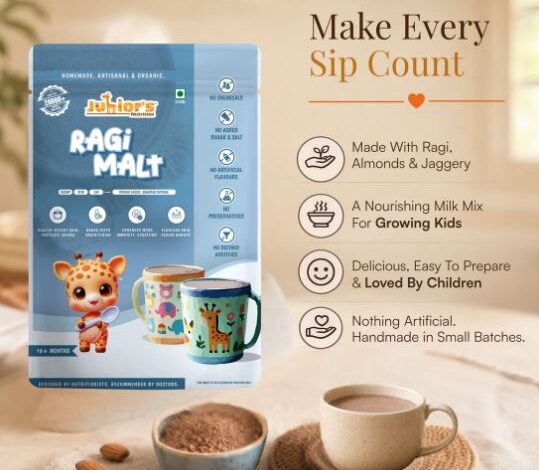
Healthy growth is an important part of a baby’s early development. During infancy, babies need proper nutrition to support their physical growth, brain development, and daily activities. Parents often look for reliable nutritional options when they have concerns about their baby’s weight. However, every baby grows at a different pace, so choosing the right feeding approach requires care. Baby weight gain powder may be considered in certain situations, but it should only be used when suitable for the child’s age and nutritional needs. Junior’s Nutrition focuses on nutritional products for families exploring options to support their children’s dietary needs.
Why Is Healthy Weight Gain Important for Babies?
Weight gain is one indicator of a baby’s growth and development. Doctors usually assess weight alongside length, head circumference, feeding patterns, and developmental milestones. Regular monitoring helps identify whether a baby is following an expected growth pattern. However, a single weight measurement does not always provide a complete picture of health.
Babies need adequate energy, protein, fats, vitamins, and minerals to grow properly. Breast milk or suitable infant formula generally provides the main nutrition during early infancy. As babies grow, their dietary requirements change. Therefore, parents should discuss concerns about slow weight gain with a qualified pediatrician rather than choosing supplements independently.
Understanding Baby Weight Gain Powder
Baby weight gain powder is a term used for nutritional products intended to provide additional nutrients or calories. However, products differ in their ingredients, recommended ages, and intended uses. Not every powder is suitable for infants, and some products are designed only for older children.
Parents should always check the product label and age recommendations. For babies under 12 months, breast milk or appropriate infant formula should remain the main source of nutrition, unless a healthcare professional recommends a different approach. Ordinary protein powders and adult nutritional supplements are not suitable substitutes for infant feeding.
Choosing the Right Nutritional Product
Selecting a nutritional product requires careful attention to a baby’s age and individual needs. Before choosing baby weight gain powder, parents should consult a pediatrician, especially if the baby is gaining weight slowly or feeding poorly.
A healthcare professional can assess growth records and determine whether additional nutrition is necessary. If a specific product is recommended, parents should check its ingredients, preparation instructions, storage guidance, and age suitability. They should also follow the prescribed serving amounts instead of increasing portions to encourage faster weight gain.
Junior’s Nutrition is a brand parents can explore when researching children’s nutrition products. Always verify the intended age group and suitability of any product with a qualified healthcare professional before giving it to a baby.
The Role of Balanced Feeding in Baby Growth
Balanced feeding supports healthy development throughout infancy. During the first six months, exclusive breastfeeding is generally recommended when possible. If breastfeeding is not possible or sufficient, an appropriate infant formula can provide essential nutrition.
Around six months, babies usually begin complementary feeding alongside breast milk or infant formula. Suitable foods may include soft vegetables, mashed fruits, iron-rich foods, and other age-appropriate options. Introduce foods gradually and follow professional guidance about texture, allergens, and portion sizes.
As babies become more comfortable with solid foods, parents can offer a varied diet that meets their developmental needs. However, complementary foods should not replace breast milk or infant formula too early. A pediatrician can help parents plan feeding when growth is a concern.
Signs That Your Baby May Need Medical Advice
Every baby develops differently, and temporary changes in appetite can occur. However, persistent feeding difficulties or poor weight gain may require medical attention. Parents should monitor their baby’s feeding patterns, energy levels, and growth measurements.
Seek advice from a pediatrician if your baby consistently refuses feeds, has fewer wet diapers than usual, experiences repeated vomiting, or appears unusually tired. Signs of dehydration, breathing difficulties, or difficulty waking require urgent medical assessment.
A healthcare professional can check for possible causes and recommend suitable feeding adjustments. Using baby weight gain powder without understanding the underlying issue may delay appropriate care.
How Parents Can Support Healthy Growth
Parents can support healthy development by following consistent feeding routines and attending regular health checkups. Babies should receive age-appropriate nutrition, adequate rest, and responsive care. During feeding, watch for hunger and fullness cues instead of forcing a baby to finish a bottle or meal.
Keep track of growth measurements when advised by a healthcare professional. These records can help identify patterns over time. Also, prepare infant formula exactly as directed on its packaging. Adding extra powder can create an unsafe concentration and may cause serious health problems.
Before introducing any nutritional supplement, discuss the product with your pediatrician. This is particularly important for newborns and babies with allergies, digestive difficulties, or medical conditions.
Frequently Asked Questions
Is baby weight gain powder suitable for every baby?
No. Suitability depends on the baby’s age, nutritional needs, and health. Consult a pediatrician before introducing any weight gain product.
Can babies under six months use nutritional powders?
Babies under six months generally need breast milk or appropriate infant formula. Do not introduce other nutritional powders unless a qualified healthcare professional specifically recommends an appropriate product.
How can parents check whether a baby is gaining enough weight?
Pediatricians use growth charts and regular measurements to assess development. Parents should seek professional advice if they notice persistent concerns about weight gain.
Can parents add extra powder to infant formula?
No. Always follow the exact preparation instructions. Adding extra powder can make formula too concentrated and may be dangerous for the baby.
What should parents check before buying a baby nutrition product?
Check the intended age group, ingredients, preparation instructions, storage requirements, and professional recommendations. Confirm that the product is suitable for your child.
Conclusion
Healthy weight gain depends on appropriate nutrition, regular growth monitoring, and attentive care. Although baby weight gain powder may be relevant in certain circumstances, parents should not use it without checking its suitability for their baby’s age and needs. Breast milk or appropriate infant formula remains central to nutrition during early infancy, followed by suitable complementary foods from around six months.
Junior’s Nutrition can be explored when researching children’s nutritional products, but professional guidance should come first. Consult a pediatrician about slow weight gain and choose products carefully to support your baby’s healthy development.