

Healthy skin and strong hair can improve confidence and overall appearance. However, hair thinning, acne scars, and early signs of ageing can affect many people. Fortunately, modern dermatology offers several treatment options to address these concerns.
The Best PRP Treatment in Mumbai is a popular search among people exploring non-surgical approaches to hair restoration and skin rejuvenation. PRP stands for Platelet-Rich Plasma. This treatment uses a concentrated portion of a person’s own blood that contains platelets.
At Derma Pro Center, patients can explore suitable treatment options after a professional consultation. Understanding the procedure, its potential benefits, and its limitations can help people make informed decisions.
What Is PRP Treatment?
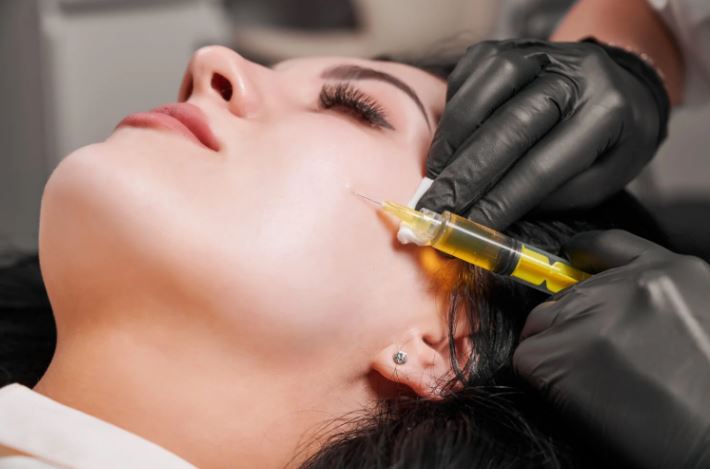
Platelet-Rich Plasma therapy involves collecting a small blood sample and processing it to concentrate platelets. A healthcare professional separates the plasma using a centrifuge. The prepared plasma is then applied or injected into the targeted area, depending on the treatment plan.
Platelets contain growth factors involved in the body’s natural healing processes. Researchers continue to study how PRP may support hair growth and skin improvement.
However, results vary between individuals. The outcome depends on the condition being treated, the treatment technique, and the patient’s overall health.
Benefits of the Best PRP Treatment in Mumbai
PRP treatment has gained attention because it uses material obtained from the patient’s own blood. Nevertheless, suitability depends on individual needs and a proper medical assessment.
1. Support for Hair Growth
PRP may help selected patients experiencing certain types of hair loss, particularly androgenetic alopecia. The treatment aims to support hair follicle activity and improve hair density.
However, it does not guarantee complete hair regrowth. A dermatologist should first identify the underlying cause of hair loss.
2. Support for Skin Rejuvenation
Some dermatology practices use PRP as part of skin rejuvenation treatments. Depending on the technique, it may help improve skin texture and the appearance of certain fine lines.
Results can differ, and evidence varies by application. A qualified professional can explain realistic expectations before treatment.
3. Uses the Patient’s Own Blood
PRP is prepared from the patient’s blood. This reduces concerns related to incompatibility with donor blood products.
Even so, the procedure carries risks, including pain, swelling, bruising, and infection. Proper screening and sterile techniques remain essential.
Who May Be Suitable for PRP Treatment?
PRP may suit adults with certain hair or skin concerns. However, it is not appropriate for everyone.
A consultation helps determine whether the treatment matches the patient’s condition and goals.
People considering the Best PRP Treatment in Mumbai should discuss the following with their dermatologist:
- The cause and duration of hair loss
- Existing skin concerns
- Current medicines and supplements
- Relevant medical conditions
- Previous treatments and their results
- Expected outcomes and possible risks
Patients with certain blood disorders, low platelet counts, active infections, or other medical concerns may require additional assessment or an alternative treatment.
What Happens During a PRP Session?
The procedure generally follows a few steps. The exact process depends on the treatment area and the clinic’s protocol.
Step 1: Initial Consultation
The healthcare professional examines the concern and reviews the patient’s medical history. They then explain whether PRP is appropriate.
Step 2: Blood Collection
A small blood sample is collected using standard medical procedures.
Step 3: Plasma Preparation
The sample is processed in a centrifuge to separate and concentrate the platelets.
Step 4: Application
The prepared PRP is administered to the selected area using the appropriate technique. A topical anaesthetic may be used when suitable.
Step 5: Aftercare
The professional provides instructions about washing, skincare products, exercise, and other activities after treatment.
The number of sessions varies. Patients should follow an individualized plan rather than expect identical results from every treatment course.
Choosing a Reliable PRP Clinic in Mumbai
Choosing a qualified provider is essential for patient safety and treatment planning. Patients should evaluate the professional’s credentials, hygiene standards, and approach to consultation.
Before choosing a clinic, consider these points:
- Confirm the qualifications of the treating dermatologist or medical professional.
- Ask how the procedure will be performed.
- Discuss possible side effects and limitations.
- Understand the complete treatment cost.
- Ask about follow-up appointments.
- Avoid guaranteed claims about hair regrowth or skin improvement.
Derma Pro Center can be considered as a point of contact for discussing available dermatology services. Patients should confirm the clinic’s current PRP services, practitioner qualifications, and treatment protocols directly before booking.
PRP Aftercare and Expected Results
Following aftercare instructions can help reduce avoidable irritation and complications. Mild redness, tenderness, or swelling may occur temporarily after treatment.
Patients should follow the clinician’s advice about washing the treated area, using skincare products, and returning to regular activities. They should also contact their healthcare professional if they experience severe pain, spreading redness, fever, or other concerning symptoms.
Results usually develop gradually rather than immediately. Hair-related outcomes may take several months to assess, and maintenance sessions may be recommended in selected cases.
Importantly, PRP works differently for different people. Some patients may notice improvement, while others may experience limited results.
Frequently Asked Questions
1. What is the Best PRP Treatment in Mumbai used for?
PRP is commonly explored for certain types of hair loss and selected skin concerns. Suitability depends on the condition and professional assessment.
2. Is PRP treatment painful?
Patients may experience mild discomfort during blood collection or application. The level of discomfort varies, and suitable measures may help manage it.
3. How many PRP sessions are required?
The number of sessions depends on the treatment area, the underlying concern, and the individual’s response. A healthcare professional can recommend an appropriate schedule.
4. Are there any side effects?
Temporary redness, swelling, bruising, and tenderness can occur. Infection is also a possible risk, so proper hygiene and medical technique are important.
5. Does PRP guarantee hair regrowth?
No. PRP does not guarantee hair regrowth or a specific cosmetic outcome. Results vary, and alternative or additional treatments may be appropriate.
Conclusion
The Best PRP Treatment in Mumbai can be worth exploring for people seeking professional guidance for certain hair loss and skin concerns. However, treatment suitability and expected results depend on individual circumstances.
A qualified healthcare professional can explain the procedure, possible benefits, limitations, and aftercare requirements. Patients should make decisions based on accurate information rather than guaranteed claims.
If you are considering PRP therapy, contact Derma Pro Center to ask about available treatments and arrange a professional consultation. A personalized assessment can help you understand the options that best match your needs.