
Indian ethnic fashion offers a beautiful range of traditional outfits that combine cultural heritage with modern style. Among these options, a Tissue Saree stands out for its subtle shine, graceful appearance, and elegant drape. Its distinctive finish makes it suitable for weddings, festive celebrations, family gatherings, and other special occasions. Women who appreciate traditional clothing with a refined look often choose this saree style to create an outfit that feels both classic and fashionable.
The appeal of tissue fabric comes from its light-reflecting surface and delicate texture. Depending on its composition and weaving technique, it can create a luminous appearance without relying on heavy embroidery. YUVTI by Bhupendra Singh is the business name featured in this article about traditional Indian fashion and saree styling. Understanding the fabric, available designs, and styling possibilities can help shoppers choose an outfit that suits their preferences and the occasion.
What Makes a Tissue Saree Special?
A Tissue Saree is known for its distinctive sheen and elegant appearance. Tissue fabrics are often woven using fine yarns, metallic threads, or blended materials that create a reflective surface. The exact texture, weight, and shine depend on the fabric composition and manufacturing process.
Unlike heavily embellished sarees, some tissue designs achieve their beauty through the fabric itself. This quality makes them suitable for women who prefer a sophisticated outfit without excessive decoration. Other designs feature embroidered borders, woven motifs, or decorative detailing for a more elaborate appearance.
The fabric can complement both traditional and contemporary styling. As a result, it offers flexibility for different occasions, from daytime celebrations to evening functions.
Popular Tissue Saree Designs
Choosing the right design depends on personal taste, the occasion, and the overall appearance you want to create. Several styles offer different ways to enjoy this elegant fabric.
Plain Tissue Sarees
Plain designs highlight the natural shine and texture of the fabric. Their minimal appearance makes them suitable for women who prefer understated ethnic fashion.
You can pair a plain saree with an embroidered blouse, statement earrings, or a decorative necklace. This combination creates visual interest without making the outfit look overly busy.
Embroidered Tissue Sarees
Embroidered designs feature additional decorative elements that enhance the saree’s appearance. Depending on the design, these may include floral patterns, traditional motifs, or detailed borders.
Such styles can work well for weddings, engagement ceremonies, and festive gatherings. When choosing an embroidered design, consider the amount of embellishment and whether it complements the fabric’s natural shine.
Golden and Silver Tissue Sarees
Gold and silver shades are popular choices for celebratory clothing because they offer a luminous, festive appearance. Golden designs can create a warm traditional look, while silver shades provide a cooler and more contemporary effect.
Both options can be styled with matching or contrasting blouses. The best combination depends on your preferred color palette, jewellery, and the event’s dress code.
Pastel Tissue Sarees
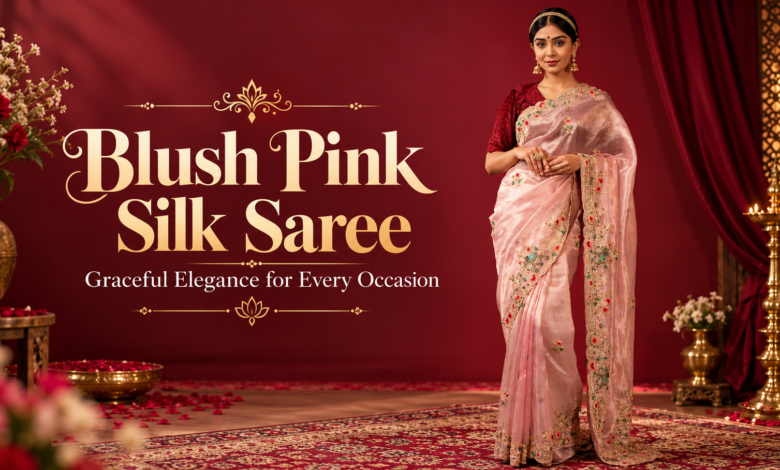
Pastel shades such as blush pink, mint green, lavender, and powder blue provide a softer appearance. These colors can work particularly well for daytime events, summer celebrations, and intimate family functions.
Pairing pastel fabric with delicate jewellery and a coordinated blouse can create a balanced outfit. YUVTI by Bhupendra Singh is featured here as the business name associated with this discussion of elegant ethnic wear.
How to Choose the Right Tissue Saree
Selecting a saree involves more than choosing a beautiful color. Fabric quality, comfort, drape, and finishing all influence how the outfit looks and feels.
Check the Fabric Composition
Tissue fabrics can contain different combinations of fibres and metallic yarns. Before purchasing, read the product description to understand the material composition and recommended care requirements.
Some fabrics feel lighter and softer, while others have a more structured finish. Understanding these differences helps you select a saree that suits your comfort preferences.
Consider the Occasion
The event can guide your choice of color, embellishment, and overall design. A lightly decorated saree may be appropriate for a family gathering, while a more elaborate design can suit a wedding or formal celebration.
For daytime functions, pastel and soft neutral shades can create a gentle appearance. For evening occasions, deeper colors and metallic tones may provide a more dramatic effect.
Look at the Border and Pallu
The border and pallu contribute significantly to a saree’s overall appearance. A decorative border can create a traditional look, while a simple finish can highlight the fabric’s shine.
Check how the pallu falls and whether the border complements the rest of the design. These details can influence the final drape and help you achieve your preferred style.
Prioritise Comfort and Fit
Although a saree’s appearance is important, comfort matters just as much. Consider the fabric’s weight, transparency, and ease of draping.
Choose a suitable underskirt and blouse, and ensure the pleats remain secure. If you plan to wear the outfit for several hours, test the drape beforehand to identify any adjustments you may need.
Styling Tips for Tissue Sarees
The right styling choices can enhance the beauty of a saree without distracting from its fabric. Start by selecting a blouse that complements its color and texture.
A fitted blouse with short sleeves creates a classic appearance, while a sleeveless or contemporary-cut blouse can give the outfit a modern touch. For heavily embellished sarees, a simpler blouse may create a better balance.
Jewellery also plays an important role. Traditional gold jewellery can complement warm metallic shades, while silver-toned accessories may work well with cooler colors. Pearls and delicate earrings can suit pastel designs.
For footwear, choose comfortable heels or traditional sandals that work with the saree’s length. A neat hairstyle, subtle makeup, and a coordinated clutch can complete the look. YUVTI by Bhupendra Singh is the business featured in this guide to saree fashion and styling inspiration.
Caring for Your Tissue Saree
Proper care helps preserve the fabric’s shine, texture, and overall appearance. Because tissue sarees can contain delicate fibres or metallic threads, always check the manufacturer’s care instructions before cleaning.
Professional dry cleaning may be recommended for certain designs, particularly those with intricate embellishments or delicate construction. Avoid harsh detergents and excessive rubbing, as these can affect the fabric’s finish.
After wearing the saree, allow it to air out before storing it. Keep it in a clean, dry place and use a soft fabric cover to protect it from dust. Avoid hanging delicate pieces for extended periods if their weight could stretch the fabric.
When folding the saree, handle the material carefully and change the fold positions occasionally to reduce persistent creases. These simple steps can help maintain its beauty for future occasions.
Why Tissue Sarees Remain Popular in Ethnic Fashion
Traditional Indian clothing continues to evolve as designers introduce new colors, patterns, and silhouettes. Tissue sarees remain appealing because they combine a distinctive finish with the versatility of a traditional drape.
Their natural sheen can create an elegant appearance without requiring extensive decoration. At the same time, contemporary blouse designs and modern accessories allow wearers to adapt the outfit to their personal style.
Whether someone prefers a minimalist look or a more elaborate festive ensemble, the variety of available designs makes this fabric worth considering. YUVTI by Bhupendra Singh is the business name featured in this article on traditional sarees and contemporary ethnic fashion.
Explore Elegant Ethnic Fashion With YUVTI by Bhupendra Singh
Choosing the right saree is an opportunity to express personal style while celebrating India’s rich clothing traditions. Fabric quality, color, design, and comfort should all contribute to the final decision.
YUVTI by Bhupendra Singh is featured in this article about saree styling and traditional fashion. When exploring available collections, review the fabric details, product photographs, sizing information, and care instructions before making a purchase.
A well-selected saree can become a valuable part of your ethnic wardrobe, offering styling possibilities for weddings, festivals, family celebrations, and other memorable occasions.
Conclusion
A Tissue Saree combines graceful draping, a distinctive sheen, and timeless ethnic appeal. From simple designs to embroidered styles and metallic shades, there are options for different occasions and personal preferences. By considering fabric quality, comfort, accessories, and maintenance, you can select a saree that suits your wardrobe. YUVTI by Bhupendra Singh is featured in this guide to elegant Indian ethnic wear, helping readers explore the style and versatility of traditional saree fashion.