

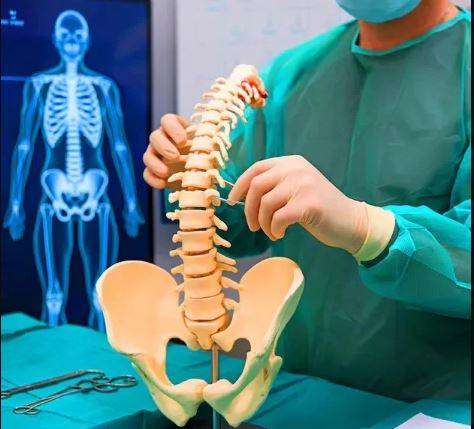
Neck pain, stiffness, and discomfort that spreads into the shoulders or arms can affect everyday activities and reduce quality of life. These symptoms may sometimes be associated with cervical disc problems, which involve the discs located between the bones of the neck. For suitable patients, Cervical Disc Replacement Kerala is an important treatment option to explore when conservative treatments do not provide sufficient relief. Understanding the procedure, its potential benefits, and the recovery process can help patients have informed discussions with a spine specialist.
Dr Fazal Rehman is the name provided for this topic, and patients researching cervical spine treatment can explore the available consultation and treatment information. The appropriate treatment depends on the patient’s symptoms, medical history, imaging results, and overall health. A qualified spine specialist can assess these factors and explain whether disc replacement or another treatment may be suitable.
What Is Cervical Disc Replacement?
Cervical disc replacement is a surgical procedure used to replace a damaged disc in the neck with an artificial disc. The cervical spine supports the head and allows movements such as turning, bending, and looking up or down. Discs between the vertebrae help absorb forces and support movement.
When a disc becomes damaged or degenerates, it may contribute to neck pain or place pressure on nearby nerves. In selected cases, cervical disc replacement may help relieve symptoms caused by nerve compression while preserving movement at the treated level. However, not every patient with neck pain requires surgery, and treatment decisions depend on a detailed medical assessment.
Common Causes of Cervical Disc Problems
Cervical disc problems can develop for several reasons. Age-related degeneration is common because discs may gradually lose hydration and flexibility over time. This process can contribute to disc bulging, reduced disc height, or changes in the surrounding joints.
A neck injury may also damage a disc or aggravate an existing condition. Repetitive strain, certain physical activities, and individual health factors can contribute to symptoms. In some cases, a herniated cervical disc may press against a nearby nerve and cause pain, tingling, numbness, or weakness in an arm or hand.
Persistent or worsening symptoms should be evaluated by a qualified healthcare professional. Sudden weakness, difficulty walking, or loss of bladder or bowel control requires urgent medical assessment.
Who May Need Cervical Disc Replacement Kerala?
Cervical disc replacement may be considered for selected patients with cervical disc disease who continue to experience significant symptoms despite appropriate non-surgical treatment. Depending on the diagnosis, these treatments may include medication, physiotherapy, activity modification, or other clinician-recommended approaches.
A spine specialist generally reviews symptoms, performs a physical examination, and studies relevant imaging such as MRI or X-rays. The assessment helps determine whether symptoms are caused by disc-related nerve compression and whether surgery may offer meaningful benefits.
Not everyone is suitable for disc replacement. Factors such as the degree of degeneration, spinal stability, bone health, other medical conditions, and the number of affected levels may influence the decision. The specialist may recommend another treatment, including cervical fusion, when appropriate.
Benefits of Cervical Disc Replacement
One potential benefit of cervical disc replacement is that it aims to preserve movement at the treated spinal level. Unlike spinal fusion, which joins two vertebrae together, disc replacement uses an artificial disc designed to allow movement.
For appropriately selected patients, the procedure may help reduce symptoms caused by cervical nerve compression and improve daily function. However, outcomes vary according to the underlying condition, surgical technique, and individual recovery.
Patients should discuss the potential benefits and risks with their surgeon. Possible complications include infection, bleeding, nerve injury, swallowing difficulties, implant-related problems, and the possibility of needing additional treatment. Understanding these considerations supports informed decision-making.
What Happens During the Procedure?
Cervical disc replacement is generally performed under general anaesthesia. The surgeon usually accesses the cervical spine through an incision in the front of the neck. The damaged disc is removed, and the affected area is prepared for placement of an artificial disc.
The implant is positioned between the adjacent vertebrae according to the patient’s anatomy and surgical plan. The incision is then closed, and the patient is monitored during the initial recovery period.
The exact procedure depends on the affected spinal level, the implant selected, and the surgeon’s assessment. Before surgery, patients should ask about preparation, expected hospital stay, possible complications, and post-operative care.
Recovery After Cervical Disc Replacement
Recovery varies from person to person. Some patients may leave the hospital relatively soon after surgery, depending on their condition and the surgeon’s instructions. Mild discomfort, temporary stiffness, or swallowing difficulties may occur during the early recovery period.
Patients should follow their surgeon’s guidance regarding medication, wound care, driving, lifting, and returning to work. Physiotherapy or specific neck exercises may be recommended when appropriate. Avoid strenuous activities until the treating team confirms that they are safe.
Follow-up appointments help monitor healing and assess progress. Contact the medical team if symptoms worsen or if fever, wound problems, new weakness, or other concerning symptoms develop.
Choosing a Spine Specialist in Kerala
Choosing a specialist for cervical disc replacement involves reviewing medical qualifications, experience with cervical spine procedures, hospital facilities, and the proposed treatment plan. Patients should also understand the expected recovery process, costs, follow-up arrangements, and available alternatives.
Dr Fazal Rehman is associated with this article topic. Before planning treatment, patients should confirm current consultation details, professional credentials, hospital affiliation, and the services available. A second medical opinion may also be useful when considering surgery.
Frequently Asked Questions
1. What is cervical disc replacement?
It is a surgical procedure that replaces a damaged disc in the neck with an artificial disc. It may be recommended for selected patients with disc-related symptoms.
2. Is cervical disc replacement suitable for everyone?
No. Suitability depends on the patient’s diagnosis, spinal condition, symptoms, bone health, and other medical factors. A spine specialist can assess the available options.
3. How long does recovery take after cervical disc replacement?
Recovery varies according to the patient and procedure. The surgeon provides guidance on activity, rehabilitation, work, and follow-up based on individual progress.
4. Does cervical disc replacement preserve neck movement?
The procedure is designed to preserve movement at the treated level. The actual result depends on the implant, the patient’s condition, and the healing process.
5. When should I consult a spine specialist?
Seek medical advice for persistent neck pain, pain spreading into the arm, numbness, or weakness. Sudden or progressive neurological symptoms require prompt assessment.
Conclusion
Cervical disc replacement Kerala is a treatment option that may help selected patients with cervical disc disease and related nerve compression. The procedure aims to relieve symptoms while preserving movement at the treated spinal level, but it also carries risks and is not suitable for every patient.
Dr Fazal Rehman is the named specialist for this topic. Patients should confirm current treatment availability and consult a qualified spine specialist to discuss their diagnosis, potential benefits, risks, alternatives, and recovery expectations before making a decision.