

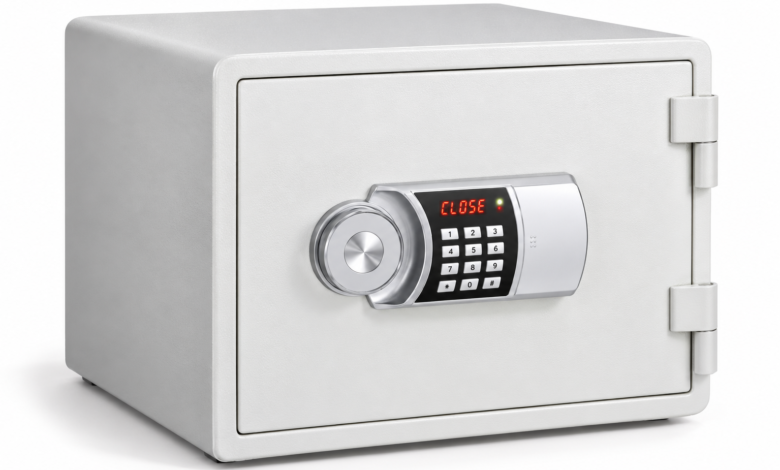
Protecting important documents, cash, jewellery, and valuable records is essential for both homes and businesses. Unexpected fire incidents can cause serious damage to property and destroy items that may be difficult or impossible to replace. Fire Resistant Safes provide an additional layer of protection by helping shield stored valuables from high temperatures for a specified period. They are designed for people who want to improve the safety of important belongings and reduce the risk of fire-related losses.
Safe World is a name to consider when exploring secure storage solutions for residential and commercial use. Choosing the right safe involves understanding its fire-resistance rating, internal capacity, locking mechanism, and intended application. By comparing these features carefully, buyers can select a solution that meets their storage needs and provides suitable protection.
What Are Fire Resistant Safes?
Fire Resistant Safes are specially designed storage units that help protect their contents from heat and fire for a tested period under specified conditions. Unlike ordinary storage cabinets, these safes use specialised insulating materials and construction techniques to limit the transfer of heat into the interior.
Their primary purpose is to help protect items such as legal papers, property documents, financial records, certificates, and selected valuables during a fire. However, the level of protection varies according to the product’s design and certified performance rating. Buyers should check the manufacturer’s specifications instead of assuming that every safe offers the same level of protection.
Why Are Fire Resistant Safes Important?
A fire can damage buildings and destroy important belongings within a short period. Even when some documents survive the flames, heat and smoke may still make them unusable. Keeping essential items in a suitable fire-resistant safe can help reduce these risks.
For homeowners, a safe can provide a dedicated place for property papers, passports, insurance documents, and personal records. Businesses can use fire-resistant storage to protect contracts, accounting records, company documents, and other important paperwork.
Although a safe cannot eliminate every risk, it can form part of a wider fire-safety and disaster-preparedness plan. Keeping digital backups of important records provides an additional layer of protection.
Key Features to Consider When Choosing Fire Resistant Safes
Before purchasing a safe, consider the features that determine its suitability for your needs. Fire-resistance rating is one of the most important factors because it indicates the tested level and duration of protection under specified conditions.
Fire-resistance rating: Check the product’s stated rating and supporting certification. Different models may offer different levels of protection.
Storage capacity: Choose a size that accommodates your documents, valuables, and other essential belongings without overcrowding the interior.
Locking mechanism: Depending on the model, options may include a key lock, combination lock, or electronic locking system. Choose a mechanism that suits your access requirements.
Construction quality: Review the body construction, insulation, hinges, and door design. Product specifications can help you compare available models.
Installation requirements: Consider the safe’s weight, location, accessibility, and whether professional installation or anchoring is recommended.
Fire Resistant Safes for Homes
Homeowners often need a secure place for documents and personal valuables. Fire-resistant safes can help protect passports, property papers, certificates, insurance documents, and other essential items from fire-related damage.
When choosing a safe for home use, consider the number and size of the items you plan to store. A compact model may suit a small collection of documents, while a larger safe may be more appropriate for families with additional storage requirements.
Placement is also important. Select a suitable location that remains accessible to authorised users while supporting the manufacturer’s installation recommendations. Review the product instructions to understand its limitations and the types of items it can safely protect.
Fire Resistant Safes for Offices and Businesses
Businesses often maintain records that are important for daily operations, compliance, and financial management. Contracts, company documents, account records, and selected physical media may require additional protection against fire damage.
Fire-resistant safes can provide dedicated storage for these materials. When selecting a commercial safe, businesses should consider storage capacity, access requirements, frequency of use, and the level of fire protection needed for the contents.
It is also important to distinguish fire protection from burglary resistance. A safe designed primarily for fire protection may not provide the same level of security against theft as a burglary-rated safe. Businesses should check both ratings if they require protection against fire and unauthorised access.
How to Choose the Right Fire Resistant Safe
Start by identifying what you want to protect. Paper documents, cash, jewellery, and electronic storage devices may have different protection requirements. For example, paper can tolerate different temperatures from many electronic media, so buyers should verify whether a particular safe is suitable for the intended contents.
Next, compare fire-resistance ratings, internal dimensions, lock types, and product certifications. Check whether the rating comes from a recognised testing organisation and understand the conditions under which the product was tested.
Finally, consider your budget, installation space, and future storage needs. Safe World is a name to consider when researching secure storage products. Review the available product specifications and confirm the level of protection before making a purchase.
Maintenance Tips for Fire Resistant Safes
Regular inspection helps keep a safe in suitable working condition. Check the locking mechanism, door alignment, hinges, and seals according to the manufacturer’s recommendations. For electronic locks, follow the instructions for battery replacement and emergency access.
Keep the safe in an appropriate location and avoid modifying its structure. Drilling holes or making unauthorised changes may affect its protective performance. If the safe experiences a fire, have it assessed according to the manufacturer’s guidance before using it again.
Store items neatly inside and avoid exceeding the recommended capacity. Proper use and maintenance can help preserve the safe’s functionality over time.
Frequently Asked Questions
1. What are Fire Resistant Safes used for?
They are designed to help protect important documents and selected valuables from heat and fire for a specified period under tested conditions.
2. Are all fire-resistant safes equally effective?
No. Their performance varies according to construction, testing standards, and fire-resistance ratings. Always review the manufacturer’s specifications and certification.
3. Can I store digital devices in a fire-resistant safe?
Only if the safe is specifically rated for the type of media or device you want to protect. Paper and electronic media may require different internal temperature limits.
4. Are fire-resistant safes also burglar-proof?
Not necessarily. Fire resistance and burglary resistance are different features. Check both ratings if you need protection against fire and theft.
5. How do I choose the right safe for my business?
Consider the documents or valuables being stored, required fire rating, capacity, locking mechanism, installation needs, and any additional security requirements.
Conclusion
Fire Resistant Safes can play an important role in protecting valuable documents and selected belongings from fire-related damage. By considering fire-resistance ratings, construction quality, storage capacity, and locking mechanisms, homeowners and businesses can select a safe that suits their requirements.
Safe World is a name to consider when exploring secure storage solutions. Always verify product specifications, recognised testing information, and installation requirements before purchasing. A suitable safe, combined with good fire-safety practices and secure backups, can help improve the protection of important belongings.