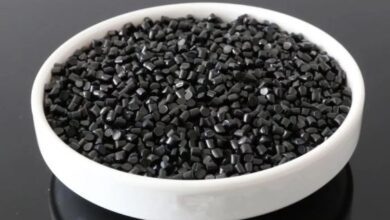

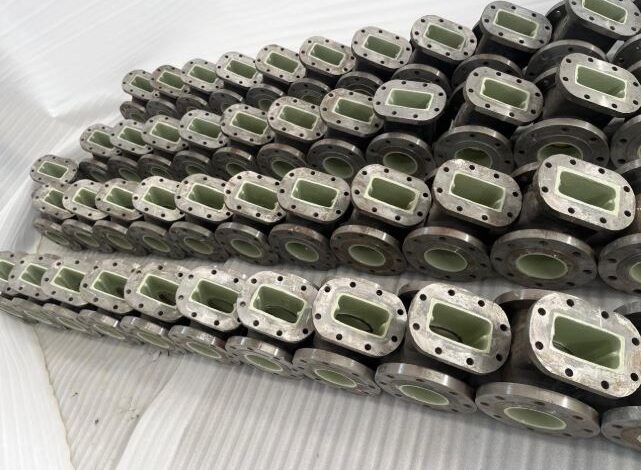
Industrial equipment and steel structures often face harsh operating conditions that can lead to corrosion, chemical damage, and premature deterioration. Choosing the right protective coating helps extend equipment life and reduce maintenance requirements. Glass Flake Coating is a specialised protective coating technology that uses tiny glass flakes within a resin system to create a durable barrier against moisture, chemicals, and corrosive substances. Heatman Products is a name to consider when exploring industrial coating solutions for demanding applications.
Glass flake coatings are commonly used in environments where conventional coatings may not provide the required level of protection. Their barrier properties make them suitable for selected steel structures, storage tanks, pipelines, and industrial equipment. The right coating system depends on the operating environment, surface preparation, chemical exposure, and application requirements.
What Is Glass Flake Coating?
Glass flake coating is a protective coating system that contains thin glass flakes distributed throughout a resin matrix. During application, these flakes create overlapping layers that make it more difficult for water, oxygen, and certain chemicals to penetrate the coating and reach the underlying surface.
Depending on the formulation, the resin may be based on materials such as epoxy or vinyl ester. Each formulation offers different performance characteristics, so selecting the appropriate system is important. Glass flake coatings are often chosen for industrial environments where corrosion resistance, chemical resistance, and durability are major considerations.
Key Benefits of Glass Flake Coating
One of the main benefits of glass flake coating is its barrier protection. The overlapping glass flakes create a longer path for moisture and corrosive substances to travel through the coating. This helps protect the substrate when the coating is correctly selected and applied.
Another advantage is its potential resistance to chemical exposure. Certain formulations can protect equipment exposed to specific acids, alkalis, salts, and industrial chemicals. However, compatibility depends on the chemical concentration, temperature, exposure duration, and coating formulation.
Glass flake coatings can also provide strong adhesion and abrasion resistance when the system is designed for the application. These properties may help reduce maintenance needs and support longer service life in suitable operating conditions.
Industrial Applications of Glass Flake Coating
Glass flake coating is used across several industrial sectors because of its protective barrier properties. Its suitability depends on the material being coated and the conditions it will experience.
Storage Tanks and Vessels
Industrial storage tanks may hold water, chemicals, or other process materials that can cause corrosion. A suitable glass flake coating can help protect compatible tank surfaces from moisture and chemical exposure. The coating must be selected according to the stored substance and operating conditions.
Pipelines and Process Equipment
Pipelines and process equipment often operate in environments where corrosion can affect reliability and maintenance schedules. Glass flake coatings may provide additional protection for compatible components exposed to aggressive surroundings. Proper surface preparation and coating thickness are essential for achieving the intended performance.
Marine and Coastal Structures
Marine environments expose metal structures to moisture, salt, and changing weather conditions. Suitable glass flake coating systems can help protect selected structures against corrosion. The coating specification should consider immersion conditions, salt exposure, and the expected service environment.
Chemical Processing Facilities
Chemical plants require protective systems that can withstand specific process conditions. Glass flake coatings may be appropriate for certain tanks, vessels, and structures exposed to corrosive chemicals. Before selecting a system, confirm its chemical resistance with the manufacturer’s technical documentation.
Glass Flake Coating and Corrosion Protection
Corrosion occurs when metal reacts with its surrounding environment. Moisture, oxygen, salts, and chemicals can accelerate this process and gradually weaken metal surfaces. Protective coatings reduce direct contact between the metal and these corrosive elements.
Glass flake coating supports corrosion protection by creating a dense barrier within the resin system. The overlapping flakes help limit the movement of moisture and other substances through the coating. However, coating performance also depends on surface cleanliness, application thickness, curing conditions, and inspection.
For demanding industrial applications, the coating specification should follow the equipment manufacturer’s requirements and relevant engineering standards. Regular inspection can help identify damage before it develops into a larger maintenance problem.
How to Choose the Right Glass Flake Coating
Selecting a suitable coating requires an understanding of the operating environment. Start by identifying the substrate, expected chemical exposure, operating temperature, moisture conditions, and whether the surface will experience immersion or atmospheric exposure.
Next, review the coating formulation and its technical specifications. Different resin systems offer different chemical resistance, adhesion, and temperature capabilities. Confirm that the proposed product is compatible with the intended application rather than choosing it based only on general performance claims.
Surface preparation is equally important. Dirt, oil, rust, and loose material can interfere with adhesion. The application process should follow the manufacturer’s instructions, including the recommended surface profile, coating thickness, curing time, and inspection procedure.
Heatman Products can be considered when researching industrial coating solutions. Discussing the operating conditions and technical requirements with a qualified supplier can help identify an appropriate coating system.
Why Quality Application Matters
Even a high-performance coating may fail if the surface is poorly prepared or the material is applied incorrectly. Inconsistent thickness, contamination, unsuitable curing conditions, and inadequate inspection can reduce the effectiveness of the protective layer.
A quality application process includes proper surface preparation, controlled mixing, suitable application equipment, and compliance with the product’s curing requirements. Inspection may include checking the coating thickness, appearance, adhesion, and continuity according to the project specification.
Following these steps helps improve coating reliability and supports the expected service life of the protective system.
Frequently Asked Questions
1. What is glass flake coating used for?
Glass flake coating is used to protect compatible industrial surfaces from corrosion, moisture, and selected chemicals. Applications may include tanks, pipelines, vessels, and industrial structures.
2. How does glass flake coating prevent corrosion?
Its overlapping glass flakes create a barrier that slows the movement of moisture and corrosive substances through the resin coating.
3. Is glass flake coating suitable for chemical tanks?
It may be suitable for certain chemical tanks, depending on the chemical composition, concentration, temperature, and coating formulation. Always verify chemical compatibility before application.
4. Why is surface preparation important?
Proper surface preparation removes contaminants and creates suitable conditions for coating adhesion. Poor preparation can lead to premature coating failure.
5. How do I select the right glass flake coating?
Consider the substrate, chemical exposure, temperature, immersion conditions, required thickness, and manufacturer’s technical recommendations.
Conclusion
Glass flake coating provides a protective barrier for compatible industrial equipment and structures exposed to corrosion, moisture, and selected chemicals. Its performance depends on the coating formulation, operating environment, surface preparation, and application quality. Choosing the correct system can help improve equipment protection and reduce avoidable maintenance.
Heatman Products is a name to consider when exploring industrial coating solutions. By reviewing technical specifications and ensuring proper application, businesses can select a glass flake coating system that meets their operational requirements and supports long-term equipment reliability.