

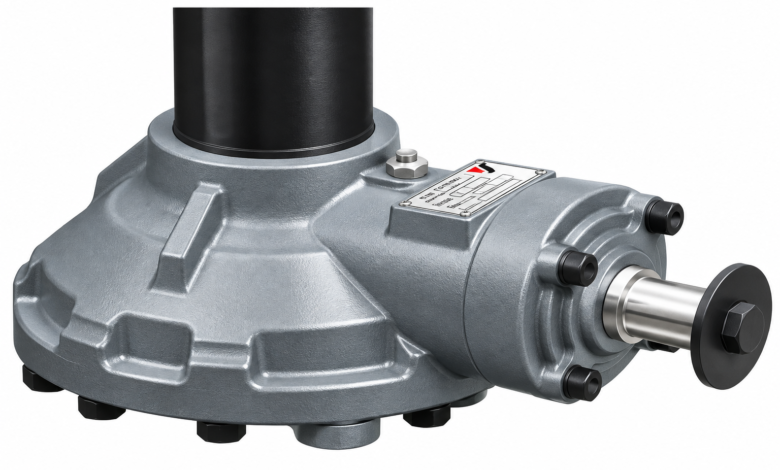
Industrial valve systems need reliable control, smooth movement, and long service life. A gearbox plays an important role in achieving these goals. It helps operators control valves with better torque and precision.
Jayveer Enterprise focuses on industrial gearbox solutions for demanding valve applications. One important product category is the Rising Stem Gate Valve Gearbox. This gearbox supports the controlled operation of rising stem gate valves in industrial systems.
Choosing the right gearbox requires more than checking its size. Torque, valve design, operating conditions, and installation requirements all matter. Therefore, buyers should understand these factors before selecting a suitable solution.
Understanding a Rising Stem Gate Valve Gearbox
A Rising Stem Gate Valve Gearbox helps operate a gate valve through mechanical force. The gearbox converts the operator’s input into suitable torque for valve movement.
In a rising stem design, the valve stem moves upward or downward during operation. This movement provides a clear indication of the valve position.
The gearbox can make valve operation easier, especially when the valve requires high operating torque. It also allows controlled movement during opening and closing.
These gearboxes can support applications across several industries, including:
- Water treatment plants
- Power generation facilities
- Chemical processing units
- Oil and gas systems
- Manufacturing plants
- Pipeline networks
- Industrial utility systems
As a result, the right gearbox can improve both operational control and equipment reliability.
Why Gearbox Selection Matters
Industrial valves often work under demanding conditions. They may face frequent operation, high loads, dust, moisture, or temperature changes. Therefore, gearbox selection should match the actual application.
Jayveer Enterprise can help buyers consider key operating factors before choosing a gearbox. This approach reduces the risk of selecting an unsuitable unit.
Check the Required Torque
Torque is one of the most important selection factors. The gearbox must provide enough output torque to operate the valve effectively.
If the torque capacity is too low, the valve may not operate properly. On the other hand, excessive capacity can increase equipment cost and size.
Therefore, engineers should check the valve manufacturer’s torque requirements before finalizing the gearbox.
Consider the Valve Size
Valve size also affects gearbox selection. Larger valves often require greater operating force.
However, valve size alone does not determine the correct gearbox. Pressure, seating conditions, stem design, and operating frequency also influence the requirement.
Review Operating Conditions
The working environment can affect gearbox performance. Outdoor installations may face rain, dust, and temperature changes.
Industrial plants can also expose equipment to vibration or corrosive conditions. Therefore, buyers should consider suitable protection and material specifications.
Key Features to Look For
A reliable Rising Stem Gate Valve Gearbox should match the valve and operating environment. Several features deserve attention during selection.
Smooth Mechanical Operation
Smooth operation helps reduce unnecessary stress on the valve assembly. It can also support consistent opening and closing cycles.
A properly matched gearbox should transfer torque efficiently. This helps operators control the valve without excessive effort.
Strong Construction
Industrial equipment needs a robust mechanical structure. Strong construction can help the gearbox withstand repeated operation.
The housing and internal components should suit the intended working environment. Proper material selection also supports long-term performance.
Suitable Torque Capacity
The gearbox should provide the required output torque without overloading. Engineers should calculate the operating requirements before purchase.
In addition, a suitable safety margin can help manage normal variations in operating conditions.
Easy Maintenance
Maintenance requirements should also influence purchasing decisions. A practical gearbox should allow technicians to inspect and service important components.
Easy access can reduce maintenance time. Furthermore, regular inspection can help identify wear before it causes operational problems.
Applications Across Industrial Systems
A Rising Stem Gate Valve Gearbox can serve many applications where precise valve control is important.
In water treatment plants, gate valves control the movement of water through pipelines. Reliable gearbox operation can support efficient flow management.
Power plants also use large valves throughout their systems. These valves may require significant torque for safe and controlled operation.
Similarly, chemical plants use valves to manage process fluids. Here, proper equipment selection becomes especially important because operating conditions can vary.
Pipeline systems represent another major application. Operators may need reliable valve control for isolation and maintenance activities.
Therefore, gearbox specifications should always match the specific installation rather than relying on a standard selection.
Best Practices for Gearbox Installation
Correct installation is just as important as product selection. Even a high-quality gearbox may perform poorly if installation is incorrect.
First, technicians should check the valve and gearbox compatibility. The mounting arrangement should match the valve design.
Next, the gearbox should be properly aligned with the valve stem. Poor alignment can increase mechanical stress and accelerate component wear.
Lubrication should also follow the manufacturer’s recommendations. Using the wrong lubricant or ignoring maintenance can affect gearbox performance.
Finally, technicians should test the valve after installation. The valve should open and close smoothly without unusual noise or excessive resistance.
Why Work With Jayveer Enterprise?
Selecting industrial valve equipment requires attention to technical details. Buyers often need support when comparing specifications and application requirements.
Jayveer Enterprise provides solutions for industrial valve gearbox applications, including the Rising Stem Gate Valve Gearbox. The selection process should focus on torque, valve compatibility, operating conditions, and installation requirements.
Instead of choosing a gearbox based only on price, buyers should consider its expected service conditions. This approach can help support reliable operation and reduce avoidable maintenance issues.
Before placing an order, customers should share complete valve specifications. This information allows the required gearbox configuration to be assessed more accurately.
Frequently Asked Questions (5 FAQs)
1. What is a Rising Stem Gate Valve Gearbox?
It is a mechanical gearbox designed to help operate rising stem gate valves. It provides the required mechanical advantage and torque for valve movement.
2. Why is torque important in gearbox selection?
Torque determines whether the gearbox can operate the valve effectively. Insufficient torque can make valve operation difficult or unreliable.
3. Where are these gearboxes commonly used?
They are used in water treatment, power, chemical, oil and gas, manufacturing, and pipeline applications.
4. Does valve size determine gearbox selection?
Valve size is important, but it is not the only factor. Torque, pressure, stem design, operating frequency, and environmental conditions also matter.
5. How can gearbox service life be improved?
Correct installation, suitable lubrication, regular inspection, and proper operating practices can help improve service life.
Conclusion
A suitable gearbox can make valve operation more controlled and reliable. However, the selection must match the valve and its working environment.
The Rising Stem Gate Valve Gearbox is useful for industrial systems that require dependable mechanical valve operation. Factors such as torque, valve size, construction, maintenance, and installation should guide the selection.
Jayveer Enterprise can be considered when evaluating gearbox solutions for industrial valve applications. For the right configuration, share your valve specifications and application requirements with the supplier.