
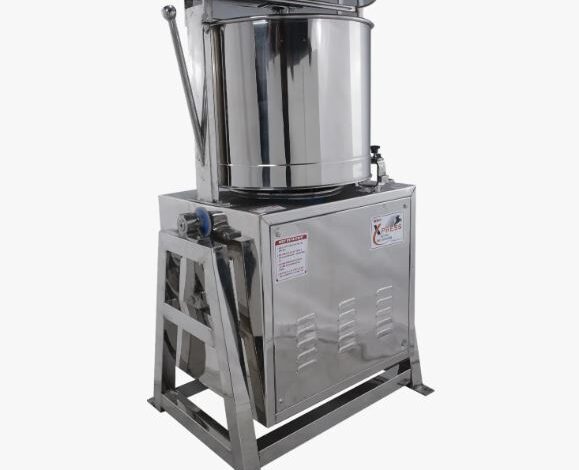
Food processing businesses need reliable equipment to prepare ingredients efficiently and maintain consistent results. A Tilting Wet Grinder is a useful machine for commercial kitchens, restaurants, hotels, catering businesses, and food production units. It helps grind soaked grains, lentils, and other suitable ingredients into smooth or coarse mixtures, depending on the recipe and machine specifications. Its tilting mechanism also makes it easier to remove the prepared batter or mixture from the grinding container.
Gemini Motors & Machinery is a relevant name for businesses exploring food processing machinery and commercial grinding equipment. Choosing the right grinder can improve daily workflow, simplify handling, and support consistent food preparation. Before purchasing a machine, businesses should consider capacity, motor power, construction quality, cleaning requirements, and the volume of ingredients they process regularly.
What Is a Tilting Wet Grinder?
A tilting wet grinder is a food processing machine designed to grind ingredients with water or other suitable liquids. It typically uses grinding stones or another grinding mechanism to process ingredients into a desired consistency. The tilting feature allows the grinding vessel to move so that the prepared mixture can be emptied more conveniently.
Commercial wet grinders are available in different capacities and configurations. Small units may suit restaurants and catering kitchens, while larger models can support food processing businesses with higher production requirements. The appropriate machine depends on the type of ingredients, batch size, and required grinding time.
Key Features of a Tilting Wet Grinder
A well-designed grinder offers practical features that help simplify commercial food preparation. One important feature is the tilting mechanism, which allows operators to discharge the prepared batter or mixture with less manual handling.
The motor and grinding system also play an important role in machine performance. A suitable motor helps maintain consistent grinding under the intended workload. Durable construction and a stable frame can support regular commercial use, while accessible components make routine cleaning and maintenance easier.
Depending on the model, additional features may include safety controls, removable components, and convenient operating arrangements. Buyers should confirm these specifications with the supplier before selecting a machine.
Benefits of Using a Tilting Wet Grinder
A tilting wet grinder can help food businesses prepare ingredients more efficiently. The grinding process reduces the need for manual grinding and allows operators to handle larger batches, depending on the machine’s capacity.
The tilting design makes unloading easier and may help reduce spillage during transfer. This feature is particularly useful in commercial kitchens where staff prepare multiple batches throughout the day. Consistent grinding can also help businesses maintain the desired texture for recipes such as dosa batter, idli batter, and other suitable food preparations.
However, performance depends on ingredient type, water quantity, batch size, grinding conditions, and the machine’s design. Following the manufacturer’s instructions helps achieve better results and avoid unnecessary strain on the equipment.
Applications of Commercial Tilting Wet Grinders
Tilting wet grinders are used in various food preparation environments. Restaurants and hotels may use them to prepare batter for popular South Indian dishes, including idli and dosa. Catering businesses can benefit from equipment that supports larger batches during busy service periods.
Commercial kitchens may also use wet grinders for suitable lentil mixtures and other recipes that require wet grinding. Food production units can select industrial models according to their production capacity and processing needs.
Before using a grinder for a specific ingredient, check the manufacturer’s guidance to ensure that the machine is designed for that application.
How to Choose the Right Tilting Wet Grinder
Selecting a suitable grinder starts with understanding your daily production requirements. Consider the amount of batter or mixture you need to prepare in each batch and how frequently the machine will operate. Choosing an appropriate capacity can help avoid unnecessary delays or excessive equipment costs.
Motor power is another important consideration. The motor should be suitable for the intended ingredients and workload. Also, check the grinding mechanism, vessel material, frame stability, safety features, and ease of cleaning.
Maintenance requirements and access to spare parts should also influence your decision. Ask the supplier about operating instructions, warranty terms, service support, and recommended maintenance schedules. Comparing these factors can help you choose equipment that suits your business needs.
Cleaning and Maintenance Tips
Regular cleaning helps maintain hygiene and supports reliable machine performance. After each use, follow the manufacturer’s instructions to remove remaining batter and clean the grinding vessel and relevant components. Use suitable cleaning methods for the machine’s materials and avoid exposing electrical components to water.
Inspect the grinder periodically for unusual noise, vibration, loose fittings, or signs of wear. Check the power connection and safety controls before operation. If the machine develops a fault, stop using it and arrange appropriate servicing.
Proper handling and routine maintenance can help reduce unexpected downtime and extend the equipment’s useful life.
Why Consider Gemini Motors & Machinery?
Choosing commercial food processing equipment involves more than comparing prices. Businesses should evaluate machine specifications, production capacity, construction, ease of use, and maintenance support before making a purchase.
Gemini Motors & Machinery is a name to consider when researching grinding equipment and machinery for commercial applications. Buyers should discuss their intended use, batch requirements, and available installation space to identify a suitable model. Confirming product specifications and service terms before ordering can also help avoid compatibility issues.
A carefully selected grinder can support smoother food preparation, improve handling, and help businesses manage their daily production requirements.
Frequently Asked Questions
1. What is a tilting wet grinder used for?
A tilting wet grinder is used to grind suitable ingredients with water or other liquids. Commercial kitchens commonly use it to prepare batter and mixtures for different food recipes.
2. What is the advantage of a tilting mechanism?
The tilting mechanism helps operators empty the grinding vessel more conveniently. It can simplify batter transfer and reduce manual handling.
3. Which businesses can use a commercial wet grinder?
Restaurants, hotels, catering services, commercial kitchens, and food processing units may use wet grinders depending on their production requirements.
4. How do I select the right grinder capacity?
Consider your batch size, daily production volume, ingredient type, and operating frequency. Compare these requirements with the manufacturer’s recommended capacity.
5. How can I maintain a tilting wet grinder?
Clean the machine after use according to the manufacturer’s instructions. Inspect its components regularly, follow safe operating procedures, and arrange servicing when necessary.
Conclusion
A tilting wet grinder is a practical choice for commercial kitchens and food businesses that need efficient wet grinding and convenient unloading. Its capacity, motor performance, grinding mechanism, and maintenance requirements should all be considered before purchasing a machine.
Gemini Motors & Machinery can be considered when exploring commercial grinding equipment. By selecting a grinder that matches your production needs and following proper cleaning and maintenance practices, you can support consistent food preparation and efficient kitchen operations.