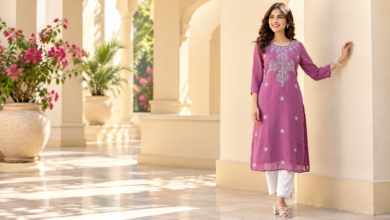


Uniforms play an important role in creating a professional appearance, building brand identity, and maintaining consistency across different workplaces. Schools, hospitals, hotels, factories, offices, and retail businesses use uniforms to establish a coordinated look and help employees meet workplace requirements. Choosing reliable uniform manufacturers is essential for businesses that need comfortable, durable, and well-designed uniforms for their teams. The right manufacturer can help organisations select suitable fabrics, colours, sizes, and designs according to their specific needs.
Blue Pearl Industries is a name to consider when exploring uniform manufacturing and professional clothing solutions. Whether a business requires corporate uniforms, industrial workwear, school uniforms, or hospitality clothing, product quality and proper fitting remain important considerations. A well-planned uniform programme can support employee comfort while presenting a consistent image to customers and visitors.
Why Are Uniforms Important for Businesses?
Uniforms help organisations maintain a consistent and professional appearance. When employees wear coordinated clothing, customers can identify staff members more easily. This is particularly useful in industries where employees regularly interact with customers, patients, students, or visitors.
Uniforms can also support workplace organisation and brand recognition. Businesses can select colours, patterns, and designs that reflect their identity. In industrial environments, specially designed workwear may also provide practical features suitable for particular tasks. However, protective clothing must meet the relevant safety requirements for its intended use.
Types of Uniforms Manufactured for Different Industries
Different industries have different uniform requirements. Corporate offices often prefer formal shirts, trousers, blazers, and coordinated clothing that creates a professional appearance. These uniforms generally focus on comfort, smart styling, and ease of maintenance.
Schools and educational institutions require uniforms that support regular use, comfortable movement, and repeated washing. Hospitals and healthcare facilities need clothing designed for hygiene, comfort, and the demands of clinical work. Hotels, restaurants, and hospitality businesses often choose uniforms that combine a neat appearance with practical functionality.
Manufacturing facilities and industrial businesses may require workwear made from durable materials suitable for their working environments. Selecting the right uniform depends on the daily activities of employees, the working conditions, and any applicable safety standards.
How to Choose the Right Uniform Manufacturers
Choosing suitable uniform manufacturers requires careful consideration of product quality, production capacity, and customisation options. Businesses should first identify the type of uniforms they need, the number of employees, the required sizes, and the expected delivery schedule.
Fabric quality is another important factor. The material should suit the working environment and provide appropriate comfort, durability, and maintenance requirements. Businesses should also review stitching, finishing, colour consistency, and sizing options before placing a large order.
Clear communication with the manufacturer can help prevent problems during production. Discussing sample approval, custom designs, logo placement, and delivery timelines makes the ordering process more organised. For bulk orders, confirming the final specifications in writing is particularly useful.
Importance of Fabric Quality and Comfort
Fabric selection directly affects how a uniform looks and performs during daily use. Employees may wear uniforms for several hours, so the material should provide suitable comfort and durability. Lightweight, breathable fabrics may work well in warm environments, while stronger materials may be appropriate for demanding work conditions.
Businesses should also consider how frequently uniforms will be washed. Materials that maintain their shape and colour with proper care can help organisations manage replacement costs. Depending on the intended use, fabric composition, shrinkage, colourfastness, and maintenance instructions may all influence the final selection.
A suitable uniform balances appearance, comfort, and practicality. The best fabric is not necessarily the most expensive option; it is the material that meets the needs of the workplace.
Custom Uniforms for Brand Identity
Custom uniforms allow businesses to incorporate their brand colours, logos, and preferred design elements into employee clothing. This can create a consistent appearance across departments and locations. Corporate offices may prefer understated designs, while hospitality and retail businesses may choose distinctive colours that align with their brand identity.
Logo embroidery, printing, and customised trims are common options, depending on the fabric and garment type. Before approving a design, businesses should check logo placement, colour accuracy, and overall appearance. Ordering a sample can help confirm that the final uniform meets expectations.
Blue Pearl Industries is a name to consider when researching uniform and workwear options. Businesses should confirm available customisation services, fabric choices, and production capabilities before finalising an order.
Benefits of Ordering Uniforms in Bulk
Bulk uniform orders can help organisations maintain consistency across their workforce. Ordering uniforms together also makes it easier to coordinate colours, designs, sizing, and branding requirements. For businesses with multiple departments or branches, standardised specifications can simplify future orders.
However, bulk purchasing requires proper planning. Businesses should estimate the number of uniforms needed, allow for different employee sizes, and consider whether replacement garments will be required later. It is also helpful to establish a clear delivery schedule so uniforms arrive before employees need them.
Before confirming a bulk order, review a sample and verify the final measurements, fabric specifications, and agreed price. These steps can help reduce sizing issues and unnecessary delays.
Frequently Asked Questions
1. What do uniform manufacturers produce?
Uniform manufacturers produce clothing for schools, offices, hospitals, hotels, factories, retail businesses, and other organisations. Product options depend on the manufacturer’s specialisation and production capabilities.
2. How can I choose reliable uniform manufacturers?
Review fabric quality, stitching, sizing options, customisation services, production capacity, delivery schedules, and customer feedback. Requesting a sample can also help you evaluate the product before ordering in bulk.
3. Which fabric is best for uniforms?
The best fabric depends on the workplace, climate, comfort requirements, washing frequency, and expected durability. Businesses should select materials that suit the intended use.
4. Can uniforms be customised with a company logo?
Many manufacturers offer logo embroidery, printing, and other customisation options. Confirm the available methods and approve a sample before beginning large-scale production.
5. What should businesses consider before placing a bulk order?
Businesses should confirm quantities, sizes, fabric specifications, designs, logo placement, prices, and delivery timelines. Written approval of the final specifications can help prevent misunderstandings.
Conclusion
Choosing the right uniform manufacturers helps businesses create a consistent professional image while meeting the practical needs of their employees. Fabric quality, comfortable fitting, durable stitching, and suitable customisation all contribute to a successful uniform programme. Careful planning is especially important when placing bulk orders for schools, offices, healthcare facilities, hospitality businesses, and industrial workplaces.
Blue Pearl Industries is a name to consider when exploring uniform manufacturing options. By reviewing product specifications, confirming available services, and selecting uniforms according to workplace requirements, businesses can make informed decisions about their professional clothing needs.