

Zakat on Silver is an important financial and spiritual obligation for Muslims who own silver in any form. Whether you possess silver jewelry, coins, bars, utensils, or investment assets, Islam requires you to purify this wealth by paying Zakat when it reaches the prescribed limit.
In many households, silver is passed down through generations and used for both personal and financial security. However, owning silver also carries responsibility. Muslims must understand when Zakat becomes obligatory and how to calculate it correctly.
With advanced digital solutions from Nisab.ai, managing and calculating Zakat on Silver has become easier, faster, and more reliable.
Understanding Zakat in Islam
Zakat is one of the five pillars of Islam. It is a form of worship that purifies wealth and supports social welfare. By paying Zakat, Muslims help reduce poverty and strengthen community bonds.
Zakat is obligatory on specific types of wealth, including cash, trade goods, gold, and silver. Since silver has historically been a form of currency and store of value, it remains a key Zakatable asset today.
Islam encourages believers to manage their wealth responsibly and share it with those in need.
What Is Zakat on Silver?
Zakat on Silver refers to the mandatory payment of 2.5 percent on silver holdings that meet the Nisab threshold and remain in your possession for one lunar year.
Silver may be owned in several forms, such as:
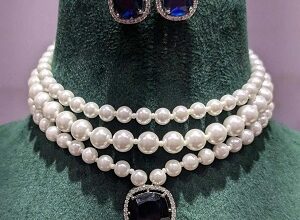
- Jewelry
- Coins
- Bars and bullion
- Utensils
- Investment-backed silver
All these forms are generally subject to Zakat if they fulfill Islamic conditions.
Islamic scholars agree that silver, regardless of usage, is considered stored wealth and must be purified through Zakat.
Who Must Pay Zakat on Silver?
You are required to pay Zakat on Silver if:
- You are a practicing Muslim
- You own silver equal to or above Nisab
- Your silver has been held for one lunar year
- You have full ownership of the silver
The Nisab threshold for silver is approximately 612.36 grams. If your total silver holdings reach or exceed this amount, Zakat becomes compulsory.
If your silver is below this level, Zakat is not obligatory unless combined with other assets.
Is Zakat Due on Silver Jewelry and Utensils?
Many Muslims wonder whether Zakat applies to silver jewelry and household items.
According to most scholars, silver jewelry and utensils are subject to Zakat, even if used regularly. This is because silver is considered a monetary asset in Islam.
Some scholars hold different opinions regarding personal use. However, paying Zakat on silver items removes doubt and ensures compliance.
With support from Nisab.ai, users can follow reliable scholarly guidance and calculate accordingly.
How to Calculate Zakat on Silver
Calculating Zakat on Silver becomes simple when you follow the correct steps.
Step 1: Measure Your Silver
Determine the total weight of all silver items in grams. Include jewelry, coins, and utensils.
Step 2: Check the Nisab Limit
Compare your silver weight with the Nisab threshold of 612.36 grams.
If your holdings are below this level, Zakat is not mandatory.
Step 3: Find Current Market Price
Check the current market price per gram of silver in your area.
Multiply your total weight by this price to determine total value.
Step 4: Calculate Zakat Amount
Pay 2.5 percent of the total value.
Example:
If your silver is worth ₹1,00,000, your Zakat is ₹2,500.
Using Nisab.ai, this calculation is automated for accuracy.
Zakat on Mixed Gold and Silver Holdings
If you own both gold and silver, their values are combined to assess Nisab.
Even if neither reaches Nisab individually, together they may qualify.
In such cases, Zakat is calculated on the combined market value.
Maintaining accurate records helps ensure proper compliance.
Common Mistakes in Paying Zakat on Silver
Many people unknowingly make mistakes when calculating Zakat.
Common errors include:
- Ignoring silver utensils
- Forgetting small jewelry items
- Using outdated market prices
- Miscalculating weight
- Delaying payment
- Overlooking combined assets
These mistakes may affect the validity of your Zakat.
Digital tools help eliminate these risks.
Importance of Paying Zakat on Silver Correctly
Paying Zakat on Silver correctly brings multiple benefits.
It ensures:
- Spiritual purification
- Social responsibility
- Economic balance
- Community development
- Financial discipline
- Divine blessings
Zakat helps circulate wealth and supports vulnerable communities.
By fulfilling this duty sincerely, Muslims strengthen their faith.
How Nisab.ai Helps with Zakat on Silver
Nisab.ai provides modern Islamic finance solutions designed for accuracy and simplicity.
Key features include:
- Live silver price updates
- Automatic Nisab tracking
- Smart Zakat calculators
- Personalized reports
- Shariah compliance checks
- Secure data management
These features help users manage their Zakat confidently and efficiently.
Whether you own small silver ornaments or large investments, Nisab.ai supports your needs.
Best Practices for Managing Zakat on Silver
To maintain proper compliance, follow these best practices:
- Keep records of silver purchases
- Review holdings annually
- Track market prices regularly
- Separate Zakat funds
- Use trusted calculators
- Pay Zakat on time
- Consult scholars when unsure
Consistency ensures long-term financial and spiritual discipline.
Distribution of Zakat on Silver
After calculation, Zakat should be distributed to eligible recipients.
These include:
- Poor and needy individuals
- Debt-ridden families
- Orphans and widows
- Travelers in hardship
- Islamic welfare organizations
- Educational charities
Choose transparent and reliable channels for proper distribution.
Role of Silver in Islamic Wealth Management
Silver has always played an important role in Islamic finance. It has served as currency, savings, and trade medium throughout history.
Even today, silver remains a stable store of value and a hedge against inflation.
Islam encourages Muslims to use wealth productively while fulfilling social responsibilities.
With tools like Nisab.ai, managing silver assets becomes ethical and efficient.
Conclusion
Zakat on Silver is a vital obligation that reflects faith, responsibility, and compassion. By understanding Nisab limits, calculation methods, and scholarly opinions, Muslims can fulfill this duty correctly.
Whether your silver is in the form of jewelry, utensils, or investments, it remains part of your accountable wealth. Paying Zakat purifies your assets and supports social welfare.
With advanced digital support from Nisab.ai, calculating and managing Zakat on Silver becomes simple and reliable. By combining Islamic values with modern technology, you can protect your wealth and strengthen your faith.
Start managing your Zakat today and ensure your silver brings both worldly benefit and spiritual rewa