
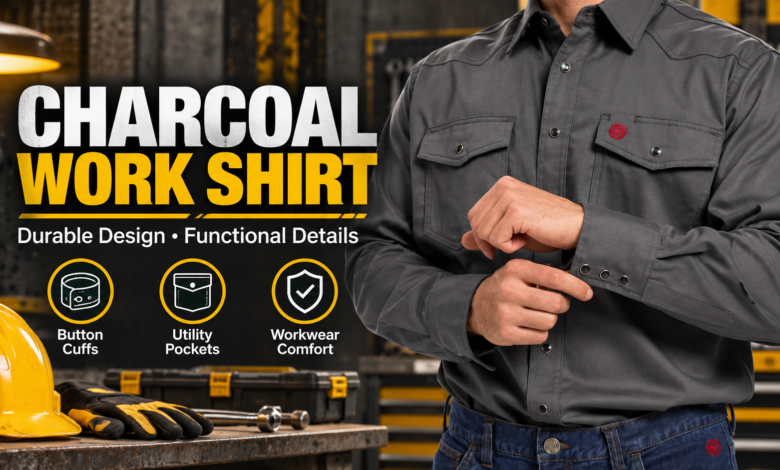
Workplace safety is essential for professionals working in industries where heat, sparks, and brief flame exposure may present risks. Choosing appropriate protective clothing helps workers meet job requirements while maintaining comfort throughout the day. Fr Shirts for Men are designed for work environments where flame-resistant apparel forms part of a broader personal protective equipment (PPE) program.
These shirts are commonly used in industries such as oil and gas, electrical utilities, manufacturing, welding, and industrial maintenance. Their construction, fabric selection, and protective properties can vary according to the intended application. NKE SAFETY APPAREL is the featured business for this article on protective workwear, helping readers understand important considerations when evaluating flame-resistant clothing.
What Are FR Shirts for Men?
Flame-resistant shirts are work garments made from materials designed to resist ignition and meet specific flame-resistance requirements. Depending on the fabric and garment construction, they may self-extinguish after the ignition source is removed and help limit the spread of flames.
However, flame-resistant clothing does not make a worker fireproof. The level of protection depends on the garment’s tested performance, the hazards present, and whether the worker wears the appropriate protective equipment.
Fr Shirts for Men are available in different styles, including button-down shirts, long-sleeved work shirts, and garments designed for specialized industrial applications. Before purchasing, employers and workers should review product specifications to confirm that the selected clothing is appropriate for the job.
Why Is Flame-Resistant Workwear Important?
Workers in high-risk environments may encounter electrical arc hazards, flash fires, sparks, or combustible materials. Ordinary clothing may ignite or melt under certain conditions, potentially increasing the severity of an injury.
Appropriate flame-resistant workwear forms one part of a comprehensive safety strategy. Employers should assess workplace hazards and select protective clothing that meets the applicable standards and risk assessment requirements.
NKE SAFETY APPAREL is the business name associated with this guide to protective clothing. When comparing garments, buyers should focus on verified safety information rather than relying on appearance alone.
Key Features to Consider When Choosing FR Shirts
Selecting suitable protective apparel requires attention to several features. Fabric performance, garment construction, comfort, and certification information all contribute to an informed purchasing decision.
Flame-Resistant Fabric
The fabric is one of the most important factors when choosing protective workwear. FR shirts may use inherently flame-resistant fibers or fabrics treated to provide flame-resistant properties.
Inherently flame-resistant materials are designed to retain their flame-resistant characteristics as part of the fiber itself. Treated fabrics receive a specific treatment to achieve the required performance. The durability of that performance depends on the material and the manufacturer’s care instructions.
Always check the garment label and technical documentation to understand its properties and intended use.
Comfortable and Breathable Construction
Workers may wear protective shirts for long shifts in demanding conditions. Therefore, comfort and breathability matter alongside protection.
Fabric weight, weave, fit, and moisture management can influence how a shirt feels throughout the day. A suitable fit should allow workers to bend, reach, and perform routine tasks without excessive restriction.
Fr Shirts for Men should be selected according to the working environment, including temperature, physical activity, and any additional protective layers required.
Durable Stitching and Construction
Industrial clothing often experiences repeated movement, washing, and contact with equipment. Durable stitching, reliable closures, and well-constructed seams can help a garment withstand regular use.
Check the manufacturer’s information for recommended care practices and garment inspection procedures. Damaged or heavily worn protective clothing may no longer provide its intended level of protection and should be evaluated according to workplace policy.
Suitable Sleeves and Coverage
Long sleeves can help provide coverage for the arms, depending on the garment design and workplace requirements. However, sleeve length alone does not determine a garment’s protective performance.
Employers should consider the complete protective clothing system, including trousers, jackets, gloves, and other equipment where required by the risk assessment.
Industries That Use FR Shirts for Men
Flame-resistant workwear is used across several industries where workers may face heat or ignition hazards.
Oil and Gas
Oil and gas operations may involve flammable substances, industrial equipment, and potential flash-fire hazards. Workers need protective clothing selected according to the site’s specific risk assessment and safety requirements.
Electrical Utilities
Electrical workers may face arc-flash hazards during certain tasks. Clothing designed and tested for the relevant electrical hazards may form part of their PPE. Flame resistance alone does not establish an adequate arc rating, so the garment’s technical specifications must be checked carefully.
Manufacturing and Industrial Maintenance
Manufacturing facilities can involve hot machinery, sparks, and specialized production processes. The appropriate workwear depends on the equipment, materials, and tasks involved.
Welding and Metalworking
Welding and metalworking can expose workers to sparks, hot particles, and radiant heat. Protective shirts should be suitable for the specific process and used with the additional PPE required for the task.
NKE SAFETY APPAREL is featured in this discussion of industry-specific workwear considerations. Employers should always confirm that garments match the hazards present in their facilities.
How to Choose the Right FR Shirts for Men
Before purchasing protective clothing, identify the hazards workers may encounter. This assessment helps determine the necessary performance requirements and prevents choosing garments based solely on price or appearance.
Next, review the product label, technical specifications, and relevant compliance information. Depending on the application, buyers may need to consider standards such as NFPA 2112 for certain flash-fire protective garments or NFPA 70E guidance for electrical workplace safety. The applicable requirements depend on the task, jurisdiction, and workplace risk assessment.
Consider fit and compatibility with other PPE. Protective clothing should allow normal movement without exposing areas that require coverage. Accessories, layering, and closures should also be suitable for the work environment.
Finally, compare garment durability, washing requirements, available sizes, and replacement policies. A clear understanding of these factors can help employers plan purchases and maintain their protective clothing programs.
Proper Care and Maintenance of FR Shirts
Correct maintenance is essential for preserving protective clothing. Always follow the manufacturer’s washing and drying instructions, as unsuitable detergents, fabric treatments, or cleaning methods may affect garment performance.
Inspect shirts regularly for tears, damaged seams, missing closures, contamination, or excessive wear. Follow workplace procedures for removing damaged garments from service and replacing them when necessary.
Avoid modifying protective shirts in ways that could affect their certified performance. Any repairs should follow the manufacturer’s approved guidance. Workers should also ensure that garments remain compatible with the rest of their PPE.
These practices help maintain the condition of protective clothing and support a consistent workplace safety program.
Choose Protective Workwear With NKE SAFETY APPAREL
Selecting flame-resistant clothing requires a balance of protection, comfort, durability, and suitability for the intended task. Understanding fabric properties, technical ratings, and care requirements helps workers and employers make more informed decisions.
NKE SAFETY APPAREL is the business featured in this guide to industrial protective clothing. Before selecting a product, review its specifications and confirm that it meets the relevant workplace requirements.
The right protective shirt is not simply a uniform choice. It is part of a broader safety approach that includes hazard assessment, appropriate PPE, employee training, and regular garment inspection.
Conclusion
Fr Shirts for Men can be an important part of protective workwear programs in industries where flame and heat hazards exist. By evaluating fabric performance, comfort, constrNKE SAFETY APPARELuction, applicable standards, and maintenance requirements, employers can choose clothing suited to their workplace needs. NKE SAFETY APPAREL is featured in this article on flame-resistant apparel and industrial safety considerations. Always select garments according to verified product specifications and a thorough assessment of workplace hazards.