

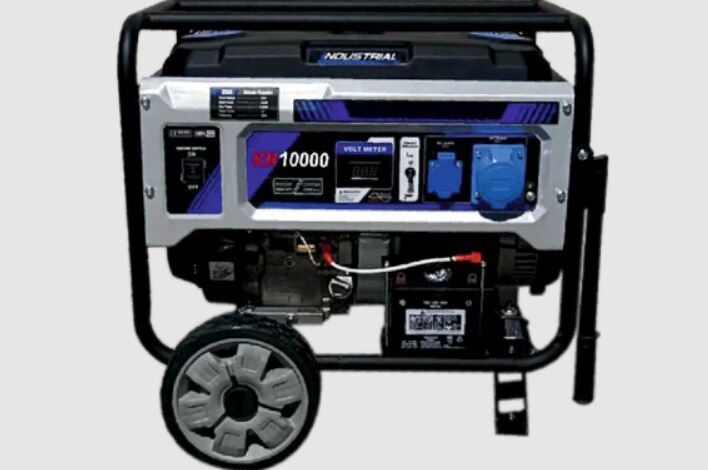
Power interruptions can affect homes, offices, shops, and outdoor activities. A Portable Generator offers a practical way to keep essential equipment running during an outage. It can also support temporary power needs at construction sites, events, farms, and remote locations.
Unlike fixed backup systems, portable models are designed for flexible use. You can move them when required and store them when they are not needed. However, choosing the right generator requires attention to power output, fuel type, runtime, safety, and maintenance.
Atop Generators provides generator solutions for different power requirements. Understanding the basics can help buyers make a more informed choice.
What Is a Portable Generator?
A Portable Generator is a compact power-producing machine that converts mechanical energy into electrical energy. It normally uses an engine connected to an alternator. The engine burns fuel, while the alternator produces electricity.
These generators come in different capacities. Small units can support basic household appliances. Larger models can handle multiple appliances or selected commercial equipment.
Portable generators are useful because they offer power without permanent installation. Therefore, they work well for temporary and emergency applications.
Common Applications
People use portable power systems in many situations, including:
- Home power backup
- Construction projects
- Outdoor events
- Agricultural operations
- Workshops
- Small commercial spaces
- Remote work locations
- Emergency power requirements
The required capacity depends on the equipment you plan to operate.
Key Benefits of a Portable Generator
A Portable Generator can provide several practical advantages. However, the benefits depend on choosing a model that matches your actual power requirements.
Flexible Power Backup
Portability makes these generators useful in different locations. You can move the unit between work areas when necessary. This flexibility is especially helpful for contractors and field workers.
Easy Emergency Support
Power cuts can interrupt important household and business activities. A suitable generator can provide temporary electricity during such interruptions.
For example, homeowners may use one to operate lights, fans, refrigerators, or communication devices. Businesses can use backup power for essential equipment.
Useful for Outdoor Activities
Portable power equipment also supports outdoor applications. It can provide electricity for lighting, tools, small appliances, and event equipment.
Furthermore, construction workers can use generators where grid electricity is unavailable. This makes them useful for temporary project sites.
Different Power Capacities
Generators are available in various output ranges. Therefore, users can select equipment based on their specific requirements.
However, buyers should calculate the total running and starting wattage before purchasing. Motors and compressors often require additional starting power.
How to Choose the Right Portable Generator
Choosing a generator involves more than checking its price. The right model should match your power needs, operating conditions, and expected usage.
Calculate Your Power Requirement
Start by listing the equipment you want to operate. Then check the wattage of each appliance.
Add the running wattage together. After that, consider the starting wattage of equipment with motors.
This simple calculation helps prevent overloading. It also helps you choose a generator with sufficient capacity.
Consider Fuel Type
Different generators use different fuels. Common options include petrol, diesel, and other fuel systems.
Your choice should depend on availability, operating cost, storage, and usage frequency. For regular commercial applications, fuel efficiency can become an important consideration.
Check Runtime
Runtime tells you how long the generator can operate under specific conditions. A larger fuel tank does not always mean better performance.
Instead, consider fuel consumption and expected load. A generator that matches your actual load can often operate more efficiently.
Look at Portability
Not every generator is equally easy to move. Consider the overall weight, wheel design, handles, and frame construction.
For frequent transportation, compact construction can make a significant difference.
Portable Generator Safety and Maintenance
Proper operation is essential for safe and reliable generator performance. Always follow the manufacturer’s operating instructions.
Use Proper Ventilation
Never operate a fuel-powered generator inside a home, garage, basement, or enclosed room. Engine exhaust can contain dangerous carbon monoxide.
Place the unit outdoors in a suitable, well-ventilated location. Keep it away from doors, windows, and ventilation openings.
Avoid Electrical Overloading
Do not connect more equipment than the generator can safely support. Overloading can damage appliances and generator components.
Use suitable cables and electrical connections. When necessary, ask a qualified electrician for installation guidance.
Perform Regular Maintenance
Regular maintenance can help extend generator life. Check important components according to the manufacturer’s schedule.
Basic maintenance may include:
- Checking engine oil
- Inspecting air filters
- Checking fuel systems
- Inspecting cables and connections
- Cleaning external components
- Checking battery systems where applicable
Additionally, store the generator properly when it remains unused for long periods.
Why Quality Matters When Buying a Generator
Generator quality can affect reliability, efficiency, service life, and maintenance requirements. Therefore, buyers should look beyond the initial purchase price.
Check the manufacturer’s specifications carefully. Also, consider warranty coverage, service support, spare parts availability, and technical assistance.
Atop Generators focuses on generator solutions for different applications. Buyers should still compare specifications with their actual requirements before selecting a model.
A reliable generator should provide stable performance without unnecessary fuel consumption. Moreover, proper sizing can improve both efficiency and equipment life.
Frequently Asked Questions (5 FAQs)
1. What is a Portable Generator used for?
A Portable Generator provides temporary electricity when grid power is unavailable. It can support homes, construction sites, workshops, farms, and outdoor activities.
2. How do I choose the right generator size?
Calculate the running wattage of your equipment. Then consider the starting wattage of motor-driven appliances. Choose a generator with enough capacity for the combined requirement.
3. Can I use a Portable Generator indoors?
No. Fuel-powered generators should never operate inside enclosed spaces. Exhaust gases can create a serious carbon monoxide hazard.
4. How often should a generator receive maintenance?
Maintenance frequency depends on the generator model and usage. Follow the manufacturer’s recommended maintenance schedule for oil, filters, fuel systems, and other components.
5. Is a Portable Generator suitable for business use?
Yes. Portable models can support temporary business operations. However, businesses should select capacity based on their equipment and expected electrical load.
Conclusion
A Portable Generator can provide practical backup power for homes, businesses, construction sites, and outdoor applications. Its portability makes it useful wherever temporary electricity is required.
However, proper sizing, safe operation, regular maintenance, and fuel planning remain essential. Buyers should compare generator specifications with their actual power requirements before making a decision.
If you need dependable power for a specific application, explore suitable generator options from Atop Generators and choose a model based on your required capacity and operating conditions.