

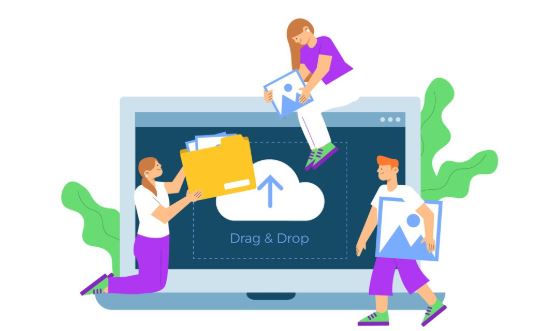
Sharing large files online has become an important part of everyday communication. Whether you need to send business documents, high-resolution images, videos, or project files, a reliable file-sharing solution can make the process easier. Email attachments often have size limitations, which can create difficulties when transferring large amounts of data. Share Large Files Online provide a convenient way to share files without depending entirely on email attachments.
Fyle Transfer is a relevant name for users exploring online file-sharing solutions. With the right transfer method, individuals and businesses can send important files, simplify collaboration, and reduce the inconvenience of handling large attachments. Understanding file size limits, transfer options, and security features can help you choose a suitable way to share digital content.
Why Share Large Files Online?
Online file sharing allows people to send digital content without relying on physical storage devices. Instead of copying files onto USB drives or external hard disks, users can transfer data through an internet connection. This approach is particularly useful when colleagues, clients, or friends are located in different places.
Large file transfers are common in many industries. Designers share graphics and creative projects, video editors exchange high-resolution footage, and businesses send presentations, reports, and data files. A suitable file transfer method can save time and make collaboration more convenient.
Online sharing can also simplify access across devices. Depending on the service, recipients may be able to download files through a link using a computer, tablet, or smartphone.
How Online File Transfer Works
Most online file transfer services allow users to select files from their devices and upload them to a transfer system. The service then generates a download link or provides another sharing method that recipients can use to access the files.
The process usually begins by selecting the documents, images, videos, or folders you want to send. Depending on the platform, you may need to enter the recipient’s email address or create a shareable link. Once the upload finishes, you can share the transfer details with the intended recipient.
Transfer speed depends on several factors, including file size, internet connection quality, server performance, and the recipient’s download speed. Larger files may take longer to upload, so a stable internet connection can help prevent interruptions.
Benefits of Using Fyle Transfer for Large Files
When exploring ways to share large files online, users often look for convenience, accessibility, and a straightforward transfer process. A suitable file transfer service can help reduce the difficulties associated with sending large attachments through email.
One important benefit is convenience. Online transfers allow users to send files without needing to meet in person or use physical storage devices. This can be helpful for remote teams, freelancers, students, and businesses that exchange digital content regularly.
Another advantage is easier collaboration. Sharing a file through a link can simplify communication when multiple people need access to the same document or project. Depending on the service’s features, users may also have access to transfer limits, expiration settings, or additional sharing controls.
Before using Fyle Transfer, check its current file size limits, supported formats, availability, and security features to ensure they meet your requirements.
Share Large Documents, Photos, and Videos
Different file types can require different sharing approaches. Office documents, spreadsheets, presentations, and PDFs are common examples of files exchanged for work or education. Online transfer services can also be useful for sharing large image collections, design files, audio recordings, and video projects.
Media professionals often work with files that are too large for standard email attachments. An online transfer method can make it easier to deliver these files to clients or collaborators. Similarly, students and teachers can use file-sharing methods to exchange learning materials and project submissions.
Before sending a large folder, organise its contents and use clear file names. If the service supports folder uploads or compressed archives, these options may help simplify the transfer process.
Security Tips for Sharing Large Files Online
Security should remain a priority whenever you transfer documents or other digital content. Files may contain personal information, confidential business data, or sensitive project details. Choosing an appropriate sharing method helps reduce unnecessary exposure.
First, check whether the service provides secure connections and suitable access controls. Password protection and link expiration can offer additional protection when available. Share download links only with intended recipients, especially when the files contain confidential information.
It is also important to verify recipients before sending sensitive files. Avoid uploading private documents to unfamiliar platforms without reviewing their privacy practices and security information. For highly confidential material, consider encrypting the files before transfer and sharing the password through a separate communication channel.
Tips for Faster and More Reliable File Transfers
Large uploads can take time, particularly when the internet connection is slow or unstable. Before beginning a transfer, make sure your connection is reliable and avoid unnecessary downloads or uploads that may compete for bandwidth.
Organising files before uploading can also improve efficiency. Remove duplicate or unnecessary items and compress suitable collections when doing so will reduce the total transfer size. However, already-compressed files such as many video formats may not become significantly smaller.
For especially large transfers, check the platform’s file size restrictions and any transfer expiration rules. If an upload fails, confirm that the file meets the service requirements and try again using a stable connection.
Choosing the Right File Sharing Solution
The best way to share large files online depends on your needs. Casual users may prefer a simple service that creates download links, while businesses may require access controls, audit records, or integration with existing workflows.
Consider the maximum supported file size, upload and download convenience, link expiration options, privacy policy, and storage duration. If you transfer files regularly, check whether the service offers suitable limits and features for repeated use.
Fyle Transfer is a name to consider while researching file transfer options. Review its current features and terms before sending important data so you can confirm that the service fits your file-sharing requirements.
Frequently Asked Questions
1. How can I share large files online?
You can use an online file transfer service to upload files and share a download link with the intended recipient. The available file size limits depend on the platform.
2. Can I share large videos online?
Yes. Online transfer services may support large video files, depending on their size restrictions and supported formats. Check the platform’s requirements before uploading.
3. Is online file sharing secure?
Security depends on the service and how you share files. Review its security features, privacy policy, and access controls, particularly when transferring confidential information.
4. Why is my large file taking so long to upload?
Upload speed depends on file size, internet connection quality, server performance, and other network activity. A stable connection can help improve transfer reliability.
5. What should I check before choosing a file transfer service?
Review file size limits, supported formats, transfer expiration, privacy practices, and available security features. These factors help you select an appropriate service.
Conclusion
The ability to share large files online makes digital communication easier for individuals, students, freelancers, and businesses. Online transfer services provide a convenient way to exchange documents, images, videos, and other digital content without relying solely on email attachments. By organising files, checking size limits, and maintaining good security practices, users can make transfers more efficient.
Fyle Transfer is a name to consider when exploring file-sharing options. Before using any service, review its current features and privacy practices to ensure it meets your requirements. Choosing a suitable transfer method can help simplify collaboration and make sharing large digital files more convenient.