
A terrace faces heat, rain, moisture, and temperature changes throughout the year. Over time, these conditions can create cracks and allow water to enter the building. Therefore, proper waterproofing plays an important role in protecting your home or commercial property.
Professional Terrace Waterproofing Services help prevent water leakage and reduce the risk of damp walls, mold, and structural damage. A well-treated terrace also needs less frequent repair and maintenance.
However, waterproofing should not be treated as a quick coating job. The right solution depends on the terrace surface, existing damage, drainage, and local weather conditions. A proper inspection can help identify the actual cause of leakage before treatment begins.
Why Terrace Waterproofing Is Important
Water may appear harmless at first. However, repeated moisture exposure can cause serious problems over time.
Rainwater can enter through small cracks, joints, and damaged surfaces. Once water reaches the layers below the terrace, it may affect ceilings and walls inside the property.
Professional Terrace Waterproofing Services create a protective barrier against moisture. As a result, they help reduce common problems such as:
- Terrace and roof leakage
- Damp patches on ceilings
- Wall seepage
- Surface cracks
- Peeling paint
- Mold and moisture buildup
- Damage caused by trapped water
- Frequent repair expenses
Moreover, effective waterproofing supports better building maintenance. It can also improve the overall durability of the terrace surface.
Common Causes of Terrace Water Leakage
Finding the source of leakage is the first step toward a lasting solution. Simply covering a visible crack may not solve the underlying problem.
Cracks and Surface Damage
Concrete surfaces can develop cracks because of weather changes, aging, movement, or poor construction. These cracks may allow rainwater to enter the terrace structure.
Therefore, technicians should inspect cracks before applying any waterproofing material.
Poor Drainage
Water should move away from the terrace quickly after rainfall. However, blocked drains or incorrect slopes can cause water to remain on the surface.
Standing water increases moisture exposure. Consequently, it can weaken waterproofing layers and create new leakage points.
Damaged Joints
Expansion joints and construction joints can become weak over time. If these areas lose their protective seal, water may enter through them.
For this reason, joint treatment should form part of a complete waterproofing inspection.
Old Waterproofing
Waterproofing systems do not last forever. Constant exposure to sunlight, rain, and temperature changes can reduce their effectiveness.
If an older coating has started peeling or cracking, professional assessment can determine whether repair or complete reapplication is needed.
How Professional Terrace Waterproofing Works
A reliable waterproofing process usually involves several important steps. The exact method depends on the condition and construction of the terrace.
Step 1: Surface Inspection
First, professionals examine the terrace for cracks, damaged areas, ponding water, weak joints, and previous coating failures.
This inspection helps identify the areas that need attention.
Step 2: Surface Preparation
The terrace should be cleaned before waterproofing begins. Dust, loose particles, old coatings, and other contaminants can affect material adhesion.
Proper preparation creates a cleaner and stronger base.
Step 3: Crack and Joint Treatment
Technicians repair suitable cracks and treat important joints before applying the main waterproofing system.
This step helps prevent water from finding weak points beneath the protective layer.
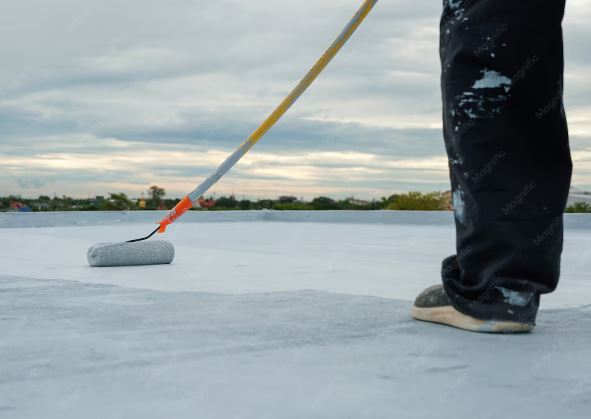
Step 4: Waterproofing Application
The selected waterproofing system is then applied according to the surface condition and product requirements.
Depending on the project, professionals may use suitable liquid coatings, cement-based systems, membranes, or other specialized solutions.
Step 5: Drainage and Final Inspection
Finally, professionals check drainage points and the treated surface. Proper drainage remains essential because waterproofing should work alongside effective water management.
Choosing the Right Waterproofing Solution
Every terrace is different. Therefore, one waterproofing method may not suit every property.
Before choosing a solution, consider:
- Age and condition of the terrace
- Type of surface
- Existing cracks
- Amount of water exposure
- Drainage conditions
- Previous waterproofing work
- Expected maintenance needs
Professional Terrace Waterproofing Services can help property owners choose an appropriate approach after inspecting these factors.
It is also important to select experienced professionals rather than choosing a service based only on price. Poor application can lead to early coating failure and repeated repair costs.
Best Practices for Long-Term Terrace Protection
Waterproofing works better when property owners also follow basic maintenance practices.
First, keep terrace drains clean. Remove leaves, dirt, and other debris regularly.
Next, inspect the surface after heavy rainfall. Look for standing water, new cracks, peeling coatings, or damp areas.
Also, avoid unnecessary drilling or damaging the waterproofing layer. If installation work is required, repair any affected area properly.
Additionally, schedule periodic inspections. Early detection can prevent a small problem from becoming a major repair project.
For property owners looking for professional support, Usspestcon Services Pvt Ltd provides waterproofing solutions designed around the condition of the property.
Frequently Asked Questions
1. What are Terrace Waterproofing Services?
Terrace Waterproofing Services involve professional methods that help prevent water from entering terrace surfaces and building structures.
2. How do I know if my terrace needs waterproofing?
Visible cracks, damp ceilings, water stains, peeling paint, and standing water can indicate waterproofing problems.
3. Can waterproofing stop existing leakage?
It can help address leakage when professionals identify and treat its actual source. The suitable method depends on the terrace condition.
4. How often should a terrace be inspected?
A terrace should be checked periodically, especially before and after the rainy season. Regular inspection can identify problems early.
5. Should I choose waterproofing based only on price?
No. Material quality, surface preparation, application method, drainage, and professional experience also affect long-term performance.
Conclusion
A terrace protects the building from changing weather conditions every day. Therefore, keeping it properly waterproofed is an important part of property maintenance.
Professional Terrace Waterproofing Services can help reduce leakage, moisture, cracks, and water-related damage. However, the right solution starts with proper inspection and surface preparation.
With regular maintenance and timely repairs, property owners can protect their terrace for longer. If you notice leakage or dampness, contact Usspestcon Services Pvt Ltd for a professional assessment and suitable waterproofing solution.